

Login
1 active alert
Show
Neurosciences
Headache and Migraine Care
Headache and migraine care centered on you.
Headaches and migraines are more than an inconvenience. They can affect every part of your life – work, school, family time and the activities you enjoy most. Whether you're experiencing occasional migraines, frequent headaches or complex headache disorders, ChristianaCare's headache specialists can help you understand your symptoms and create a personalized plan to help you feel better.
Headache Disorders and Symptoms
Migraines are throbbing, pulsating headaches that usually occur on one side of the head with pain or pressure. Women make up most migraine sufferers, and these headaches also run in families. Symptoms include nausea, vomiting and sensitivity to light and noise. Pain can worsen with normal physical activity.
Chronic migraines are headaches that occur on 15 or more days per month for more than three months, with at least eight of those headache days having migraine features.
Sinus headaches cause deep, constant pain and pressure around the eyes, cheekbones, forehead and bridge of the nose. They are often accompanied by a runny or stuffy nose and a feeling of fullness in the face or ears. Some people may also experience thick nasal drainage, which can be yellow or green in color.
If the pain erupts out of nowhere and occurs multiple times a day, that’s a sign of cluster headaches. These headaches typically occur on one side of the head and cause a piercing pain that increases rapidly, usually within five to 10 minutes. These headaches can also cause eye tearing, redness or a runny nose on the same side as the pain. Because lying down can make symptoms worse, many people feel restless and prefer to move around during an attack.
Medication-overuse, or “rebound” headaches, can occur when pain-relief medications are used too frequently to treat headaches. Over time, the medication may become part of the problem, leading to more frequent headaches and making treatments less effective. The good news is that with proper diagnosis and treatment, many patients experience improvement.
Post-concussion headaches develop after a trauma or injury to the head and/or neck. They can appear within seven days of head trauma (or regaining consciousness/ability to report the pain) and last less than three months. Symptoms often mimic a migraine (light and sound sensitivity, nausea, etc.,) or a tension-type headache.
Red-flag headaches are new, sudden or unusually severe headaches and may signal a serious underlying condition. These headaches are different and worse than any pre-existing headache condition. They can include fevers, neck stiffness, one-sided numbness or weakness and vision loss. Red-flag headaches require an ER visit to rule out more urgent issues.
If you experience a new or sudden headache, seek immediate medical attention by calling 911 or going to the nearest emergency department.
Menstrual headaches or migraines occur around the time of a woman's menstrual period due to natural hormonal changes and the natural drop in her estrogen levels. They often develop in the days before or during her period and may be more severe or difficult to treat than headaches experienced at other times of the month.
Trigeminal neuralgia is a chronic pain condition that affects the large nerve responsible for feeling in your face. It causes sudden, severe facial pain, often described as sharp, electric-like jolts. Simple daily activities such as talking, eating, brushing your teeth or lightly touching your face can trigger episodes of pain toward the ear, eye or nostril.
Request an appointment by calling us at (302) 623-3017.
Understanding Your Headaches
Headaches aren't all the same. Different types of headaches can have different causes, symptoms and triggers, which is why understanding your headaches is an important first step toward finding relief. While some headaches may be linked to stress, lack of sleep, dehydration or changes in routine, others may be related to hormonal changes, diet, medications or underlying medical conditions.
Before creating a treatment plan, our headache specialists take the time to understand your symptoms, medical history and overall health. Learning more about your headaches, when they occur and how they affect your daily life helps us identify the type of headache you're experiencing and determine the most appropriate treatment approach.
Medical History and Physical Examination
Your appointment begins with a conversation about your headaches. We'll discuss when your symptoms start, how often headaches occur, where the pain is located, potential triggers and any treatments you've tried in the past. We also recommend keeping a headache diary to help identify patterns and provide additional insight into your symptoms.
Your provider will perform a physical examination and review any factors that may be contributing to your headaches, including sleep habits, medications, stress levels, hydration, nutrition and other health conditions. This information helps us develop a more complete picture of your health and symptoms.
Neurological Evaluation
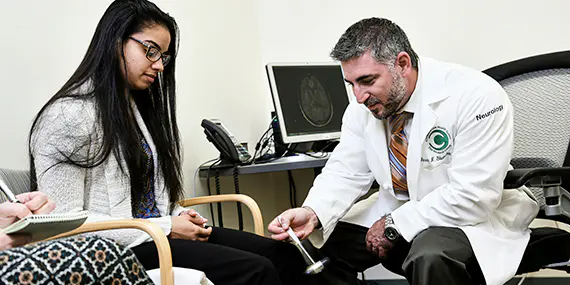
Headaches can sometimes be linked to conditions involving the brain, nerves or nervous system. During your evaluation, your provider may perform a series of simple neurological assessments to evaluate your vision, balance, coordination, reflexes, muscle strength and other neurological functions.
These evaluations help us better understand your symptoms and determine whether additional testing may be helpful.
Imaging and Diagnostic Testing
While many headaches can be diagnosed through a detailed medical history and neurological examination, some patients may benefit from additional testing. Although not routinely needed, MRI or CT scans may be recommended with certain symptoms or examination findings to rule out other causes of headache. These tests take approximately 30 to 60 minutes and are virtually painless.
If additional testing is needed, your care team will explain the process and help coordinate the next steps in your care.
Keep a Headache Diary
Keeping track of when headaches occur, how long they last, what symptoms accompany them and any possible triggers can help identify patterns and uncover what's causing your headaches. Track:
- The day and time your headaches occur.
- How severe the headache feels on a scale of 1 to 10.
- Foods eaten that same day.
- Sleep habits that week.
- Stress levels during this time frame.
- Medications used during that week. Include any over-the-counter medications and supplements.
Trigger Identification and Education
Triggers for migraine headaches are different for each person. Triggers include changes in daily routine, foods, hormones, medicines, lights, odors or other things in the environment.
The most common migraine triggers are:
- Stress (either during a stressful time or right after stress subsides).
- The menstrual cycle in women and hormonal changes.
- Changes in your routine, such as how much you exercise or how much you sleep.
- Fasting or skipping meals.
- Changes in the weather, heat or high humidity.
- Bright lights, glare, or reflected sunlight.
- Foods such as chocolate, nuts and artificial sweeteners.
- Alcoholic beverages, including beer, wine and spirits.
- Odors such as perfume, paint, dust, candles, scent diffusers and certain flowers.
Other migraine triggers can include:
- Strong emotions, such as depression or anxiety.
- Pushing yourself too hard when you exercise.
- Monosodium glutamate (MSG), which is often found in processed and savory manufactured foods such as canned soups, instant noodles and ramen, flavored potato chips and fast food.
- Nitrates, which are found in cured meats such as hot dogs, bacon, and cold cuts.
- Preservatives.
- Foods that contain tyramine, such as aged cheeses, pickled or marinated foods and foods made with yeast.
- Smoking or being around someone who smokes.
- Excessive caffeine or caffeine withdrawal.
- Birth control pills and hormone therapy.
- Medicines that expand (dilate) the blood vessels (vasodilators), such as nifedipine and nitrates.
- Allergies.
- Excessive noise.
Personalized Treatment Options
No Two Headaches are Exactly Alike
Headache treatment is not one-size-fits-all. Effective treatment starts with understanding the type of headache you experience, how often symptoms occur, potential triggers and the impact headaches have on your daily life.
Our headache specialists work closely with you to create a personalized treatment plan designed to relieve symptoms, reduce headache frequency and help you get back to doing the things you enjoy.
Medication Management
Many patients benefit from medications that help prevent headaches before they start or reduce symptoms once a headache begins.
Your provider may recommend:
- Preventive medications to reduce headache frequency and severity.
- Acute treatment medications to help stop a headache once it begins.
- Newer migraine-specific therapies when appropriate.
We will work with you to find the safest and most effective treatment approach for your symptoms and goals.
BOTOX® for Chronic Migraine
For patients who experience chronic migraines, botulinum toxin (BOTOX®) injections are FDA-approved for migraine prevention in people who meet certain criteria.
BOTOX® works by interrupting pain-signaling pathways involved in migraine attacks and may help reduce the number of headache days experienced each month. This FDA-approved treatment can be especially helpful for people who have not found relief with other preventive medications.
CGRP Therapies
CGRP-targeting medications have become a game-changing treatment option for many people living with migraines. These therapies work by blocking the activity of calcitonin gene-related peptide (CGRP), a protein involved in migraine attacks. Depending on the medication prescribed, treatment may be available as a monthly or quarterly injection or an oral medication.
Lifestyle Recommendations
Lifestyle recommendations focus on factors such as sleep, hydration, nutrition, stress management and physical activity.
Abortive Headache Treatment
Not every headache treatment is designed to prevent headaches from happening. Some treatments are intended to stop a headache after it begins or reduce its severity before symptoms worsen.
In addition to prescription medications, some patients may benefit from therapies designed to provide relief during an active headache. These treatments can include nerve blocks, which use numbing medication to help interrupt pain signals, IV infusion therapies and oxygen therapies for certain headache disorders such as cluster headaches, which can stop cluster headaches within 15 minutes of onset.
Depending on the type of headache you're experiencing, your provider may recommend medications that can help relieve symptoms during an active headache or migraine attack. Our specialists work with you to determine the most effective treatment approach based on your symptoms, headache frequency and overall health.
Virtual Headache Clinic
When Should You See a Headache Specialist?
You should see a specialist if:
- Your headaches interfere with daily activities.
- Your symptoms are becoming more frequent.
- Over-the-counter medications aren't helping.
- You've tried multiple treatments without relief.
- You experience migraines regularly.
- You may be experiencing medication-overuse headaches.
- You're interested in newer treatment options such as Botox or CGRP therapies.
Frequently Asked Questions
A headache is a general term for pain or discomfort in the head. Migraines are a specific type of headache disorder that often cause throbbing pain, nausea, vomiting, and sensitivity to light, sound or smells. Some people also experience visual disturbances called an aura before or during a migraine.
Headaches can be caused by many different factors, including stress, lack of sleep, dehydration, skipped meals, certain foods, hormonal changes, medications and underlying medical conditions. Because headache symptoms often overlap, it can be difficult to determine the exact cause without a thorough evaluation.
While experts are still learning exactly what causes migraines, they believe changes in brain activity and nerve inflammation play a role. Migraines may also run in families. Common triggers include stress, changes in sleep patterns, hormonal fluctuations, weather changes, certain foods, bright lights, strong odors and changes in routine.
Call 911 or seek immediate medical attention if you experience a sudden, severe headache unlike any you've had before or if your headache is accompanied by symptoms such as weakness, vision loss, difficulty speaking, confusion or loss of consciousness. If you develop a new or sudden headache during pregnancy, you should also seek immediate medical evaluation.
BOTOX® is an FDA-approved treatment option for chronic migraine. It may be recommended for people who experience frequent migraines and have not found relief with other preventive treatments. During your evaluation, your provider will determine whether Botox may be appropriate for your specific symptoms and treatment goals.
Yes. ChristianaCare's Virtual Headache Clinic provides specialized headache care through convenient virtual appointments. Virtual visits allow patients to discuss symptoms, identify triggers and develop a personalized treatment plan from the comfort of home. If additional testing or in-person treatment is needed, we'll help coordinate the next steps in your care.
Patients should contact us to determine scheduling requirements and eligibility. Our team can help guide you through the scheduling process and answer questions about referrals, insurance and appointment options. Give us a call at (302) 623-3017 so we can help.
It's helpful to bring a list of your current medications, information about previous headache treatments and details about your symptoms. If possible, keep a headache diary before your appointment, tracking when headaches occur, how long they last, their severity and any potential triggers. This information can help your provider better understand your symptoms and develop a treatment plan tailored to your needs.
Contact Us

ChristianaCare Neurology Specialists & Epilepsy Center at Newark
HealthCare Center at Christiana
200 Hygeia Drive
Suite 1420
Newark, DE 19713

ChristianaCare Neurology Specialists at Whitehall
735 Mapleton Ave
Middletown, DE, 19709

Related Content
ChristianaCare is a Comprehensive Center of Excellence, as designated by the National Multiple Sclerosis Society. We provide a comprehensive approach to your care by addressing all medical and non-medical needs.

Learn how BOTOX® works to treat chronic migraines and why it may be an option when other treatments haven't provided relief.