

Login
Insights & Innovations - Heart & Vascular
The latest advancements and breakthroughs in Heart & Vascular
Winter 2026 Issue
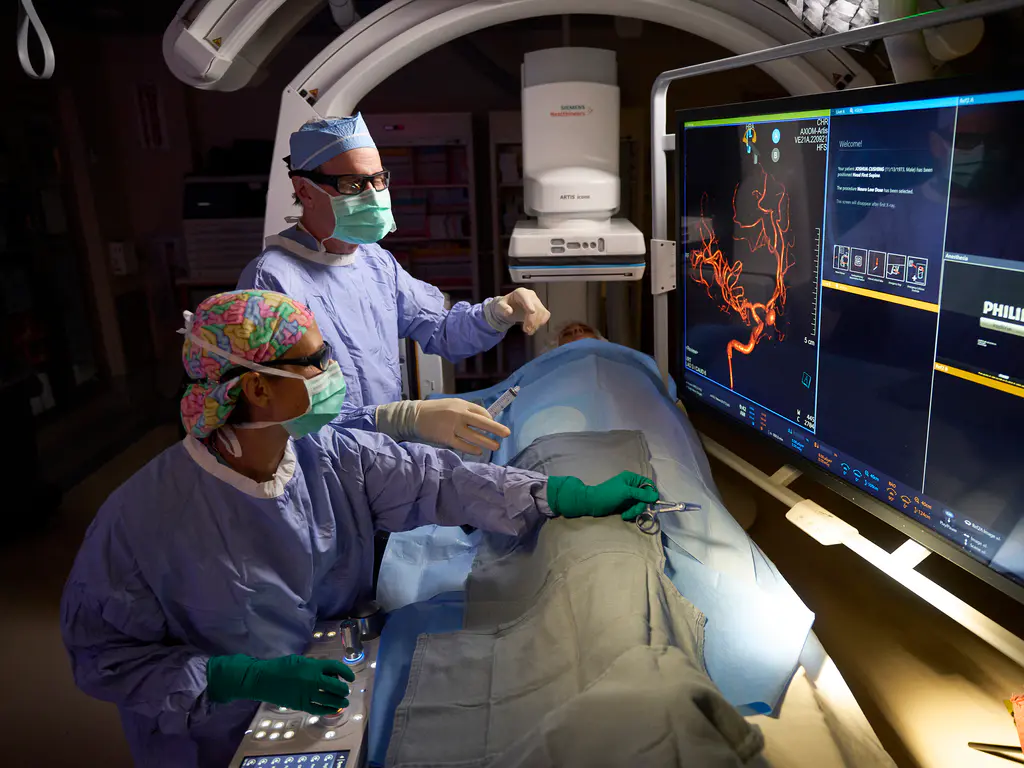
Early in 2025, vascular surgeons at ChristianaCare’s Center for Aortic Health performed Delaware’s first-ever Gore TAMBE, or Thoracoabdominal Multibranch Endoprosthesis, a novel, minimally invasive approach for the surgical management of complex abdominal aortic aneurysms that uses an off-the-shelf aortic stent graft for endovascular repair.
This new technology is the first FDA-approved, off-the-shelf endograft for the endovascular repair of complex thoracoabdominal aneurysmal disease involving the visceral aorta. Thoracoabdominal aortic aneurysms (TAAAs) involve the segment of the aorta from which critical branches originate, including the arteries supplying the liver, intestines, kidneys, and spinal cord.
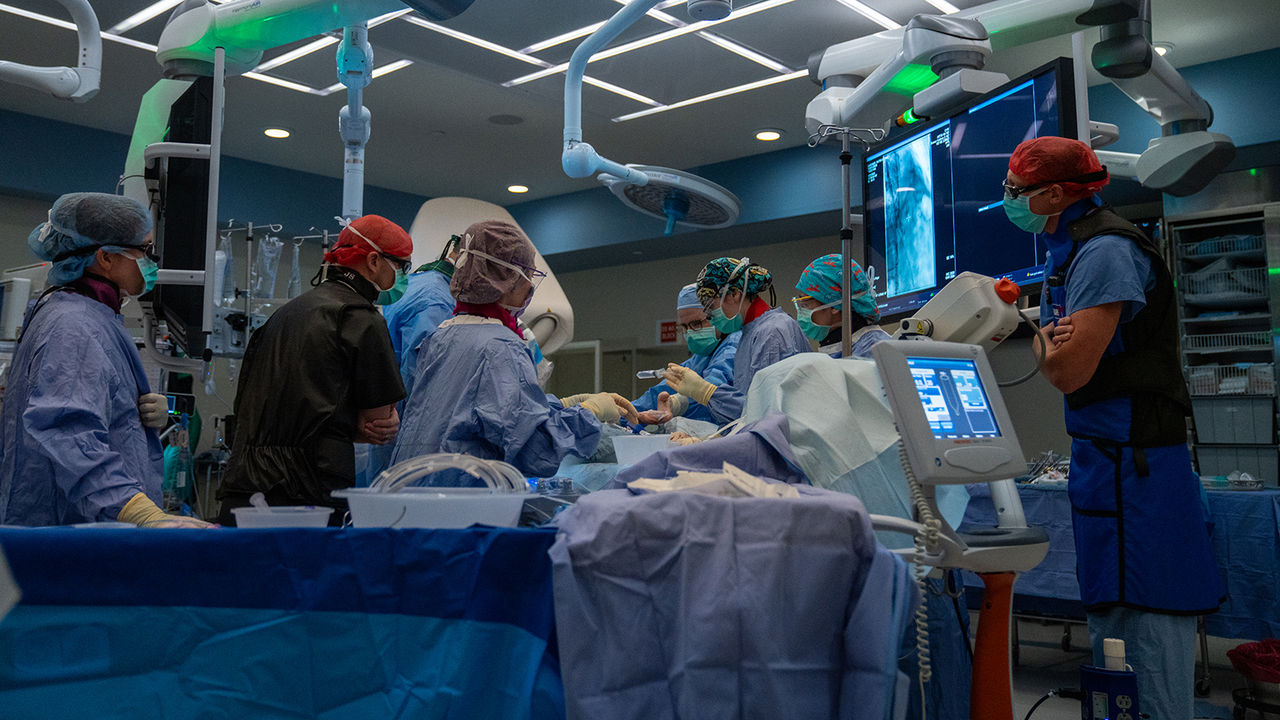
Repairing aneurysms or dissections in this region requires maintaining blood flow to these organs while simultaneously rebuilding or reinforcing the aorta. Traditionally, such repairs required large, open surgeries with significant risk and prolonged recovery.
“Completing the first few TAMBE operations in Delaware marks an important milestone for patients who, until now, had no local option for this level of care,” said Kathryn E. Bowser, M.D., a Vascular Surgeon at the Center for Aortic Health at ChristianaCare who led the first TAMBE procedure. “TAMBE enables us to treat thoracoabdominal aneurysms with a multibranch endograft that maintains flow to the visceral arteries. Through advanced technology, meticulous planning, and deep expertise, we can today repair these life-threatening problems in a minimally invasive fashion.”
Unlike traditional thoracic stent graft devices, which need to be customized in the operating room for each individual patient and inserted via complex, open procedures, the TAMBE device is placed percutaneously via the femoral and axillary arteries, using small incisions in the groin and arm.
The device itself is a collapsed, multibranched stent graft that is inserted through the groin and, with real-time image guidance, is navigated through the blood vessels to the aneurysm. Once in the aorta, it expands to line the artery and seal the aneurysm, preventing a rupture. Its built-in branches are then connected to the arteries that supply blood to the kidneys, liver, intestines, and other organs.
“The goal of the TAMBE device is to have an off-the-shelf endovascular solution for TAAAs that can work in a large percentage of patients,” said ChristianaCare vascular surgeon Mikael Fadoul, M.D., who was part of the surgical team that performed the first TAMBE procedure in Delaware. “With TAMBE, we don’t have to custom order a device or put patients through complex, open surgery, which has a very high morbidity and mortality.”
The TAMBE device adds to the surgical armamentarium available to vascular surgeons at the Center for Aortic Health, all of whom have vast experience with physician-modified fenestrated endografts (PMEGs) for complex aneurysm anatomy, including TAAAs, and perform these procedures routinely.
“PMEGs are redefining what is possible for patients who previously had limited options,” Dr. Bowser said. “They allow us to tailor fenestrations or branches to each patient’s anatomy. These modifications require extreme precision, device knowledge, and intraoperative adaptability. They enable the safe treatment of complicated aneurysms in patients who are not candidates for standard devices.”
Surgical management of complex aortic cases requires significant coordination, teamwork, and planning, according to Dr. Bowser. The process begins with detailed computed tomography–guided reconstruction and measurement, and includes device planning and customization, collaboration with device manufacturers, spinal cord protection strategies, and contingency plans for multiple anatomic scenarios. These procedures engage a multidisciplinary team that includes vascular and cardiac surgeons, the operating room vascular team, anesthesiologists, intensivists, genetic specialists, cardiologists, and others.
“Because no two aortas are identical, each plan is tailored. In some cases, an endograft needs to be hand-modified the day of surgery itself—an intricate, high-stakes technical process that requires very advanced training and continuous attention to detail,” Dr. Bowser said. “On the day of surgery, success depends on a smooth interplay among several disciplines. Our hybrid operating rooms and vascular specialists function as one single unit, ensuring precision with complex arterial access, wire and catheter techniques, precise device deployment, branch vessel catheterization and stenting, neurologic monitoring, and real-time imaging interpretation, as well as management of possible complications like endoleaks, dissections, or branch occlusion.”
The addition of TAMBE to this expertise means patients diagnosed with a TAAA at ChristianaCare have a new lifesaving option.
“Bringing this level of aortic care to Delaware has a profound impact,” Dr. Bowser said. “Patients can stay closer to home, near their families, support systems, and familiar health care environment. Emergency cases can be treated more quickly, and survival can be improved in time-sensitive scenarios. This type of innovation makes ChristianaCare a regional leader, enabling us to take complex referrals while elevating cardiovascular care statewide.”
For patients suffering from painful or chronic hemorrhoids, a new minimally invasive procedure is offering relief without the need for surgery. At ChristianaCare, interventional radiologists are now performing hemorrhoidal artery embolization (HAE), or the emborrhoid technique, an innovative treatment that’s transforming care for patients with moderate hemorrhoidal disease.
“Symptomatic hemorrhoidal disease is a prevalent condition that significantly impacts patients’ quality of life,” said Christopher Grilli, D.O., F.S.I.R., an interventional radiologist at ChristianaCare.
Traditional treatment approaches for the condition range from conservative management to invasive surgical procedures such as hemorrhoidectomy.
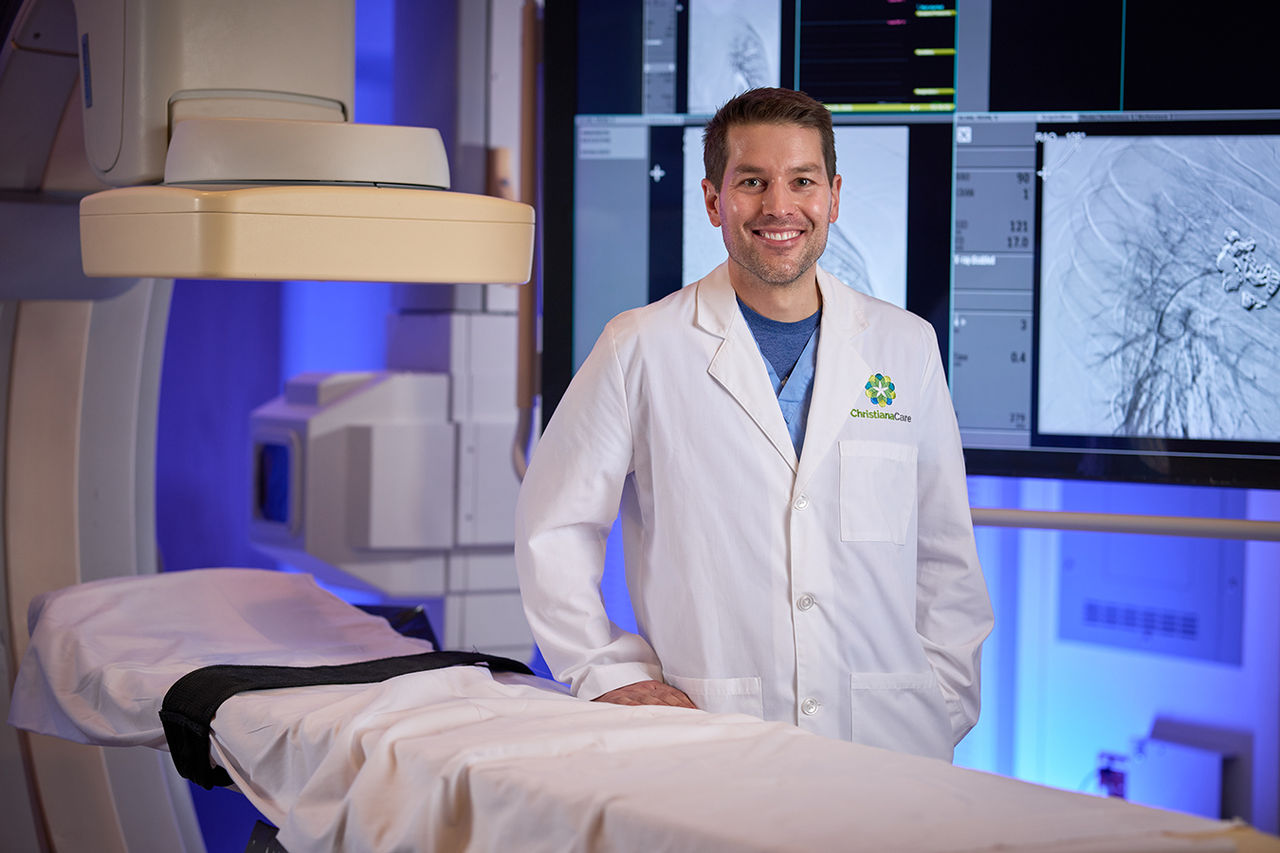
“In recent years, HAE has emerged as a promising minimally invasive alternative, particularly for patients with Grade II or III internal hemorrhoids who are not optimal surgical candidates or prefer a less invasive approach,” Dr. Grilli said. “With HAE, we can offer patients a kinder, gentler option, a nonsurgical procedure that provides excellent results, minimal discomfort, and a quick return to normal activity.”
Before the procedure, patients undergo a detailed clinical and proctologic examination, often accompanied by a colonoscopy or sigmoidoscopy to rule out other causes of rectal bleeding. In selected cases, a pelvic MRI or CT angiography may also be performed to better define the vascular anatomy.
“Most patients we see have been dealing with hemorrhoids for quite some time, often with bleeding or pain that hasn’t responded to other therapies,” Dr. Grilli explained. “We want to make sure we fully understand what’s going on and that HAE is the right fit for them.”
HAE works by targeting the blood vessels that supply the hemorrhoidal tissue. A small catheter is inserted through a pinhole access point under x-ray guidance, either in the wrist or groin, and advanced to the arteries feeding the rectal area. Tiny metal coils are then used to block blood flow to the hemorrhoids, allowing the dilated veins to shrink and symptoms to resolve.
The process is performed under local anesthesia with moderate sedation, and a post-embolization angiography confirms successful devascularization. The procedure is quick, safe, and minimally invasive—and recovery is far faster than it is for surgical approaches.
“The entire procedure takes about 45 minutes to an hour,” Dr. Grilli said.
Patients are able to go home the same day, and most can resume normal activity within 24 to 48 hours. Because HAE does not disturb the anal or rectal anatomy, it also preserves normal function and continence, an important consideration for patient quality of life.
Results from published studies, as well as clinical experience, show that HAE is effective and offers durable results.
“About 80% to 90% of patients report improvement in symptoms within a week, and bleeding often resolves in just a couple of days,” Dr. Grilli said. “This is where HAE really shines compared to surgery, which can involve a recovery of one to two weeks depending upon how it is done.”
Additionally, the safety profile of HAE is excellent. There is minimal risk for infection or complications, and while most patients report sustained relief and low recurrence rates, the procedure can be repeated if and when symptoms return.
“HAE represents a significant advancement in the treatment of hemorrhoidal disease,” Dr. Grilli said. "As clinical experience and evidence grow, HAE is poised to become an integral part of the treatment algorithm for select patients.”
Endometriosis occurs when tissue similar to the uterine lining grows in the muscle of the uterus or outside of the uterus. While this growth can occur in other areas, it is most frequently found in the pelvis.
“This is the tissue that is shed with menstruation—it just happens to be in the wrong spot,” said Michelle Pacis, M.D., a minimally invasive gynecologic surgeon at ChristianaCare. “Endometriosis causes inflammation, which can result in significant pain and can also affect reproductive anatomy thereby causing infertility issues depending on where it’s located.”
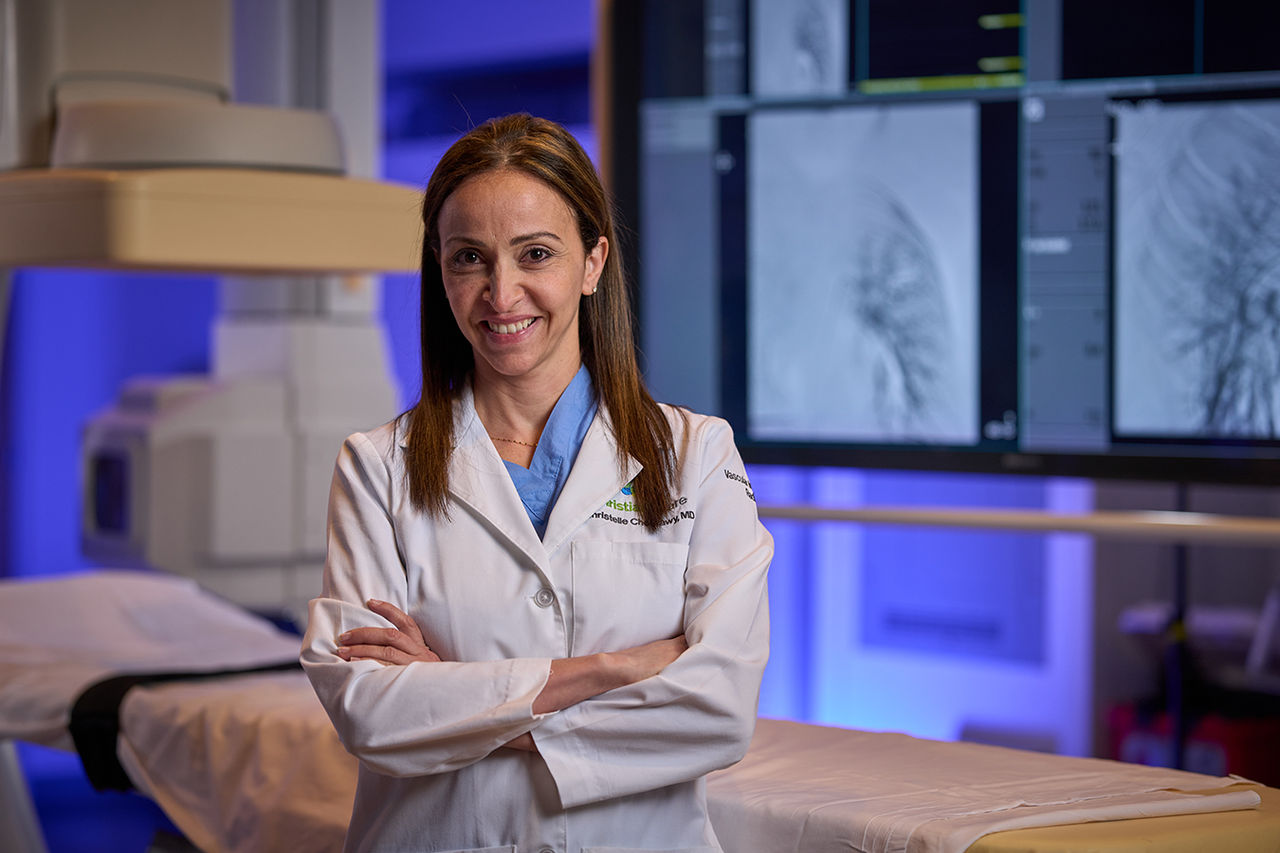
While medications such as hormonal therapy can help control symptoms, and surgery remains the gold standard for diagnosis and treatment, many patients face a long road before receiving an accurate diagnosis.
“Endometriosis affects about 10% of women, and it takes an average of five to 10 years for someone to be diagnosed appropriately,” Dr. Pacis said. “People are often told that painful, heavy periods are normal, and their concerns may be dismissed for years.”
In rare cases, endometrial tissue can implant into the abdominal wall, often in the scar from a previous cesarean delivery or laparoscopic procedure.
“These lesions can be particularly painful,” Dr. Pacis said. “Traditionally, the only way to treat them has been surgical excision, which can be invasive, create additional scarring, and require a longer recovery period. That’s where cryoablation is offering a real breakthrough.”
Cryoablation is a technique that was invented in the mid-19th century and involves using extreme cold to destroy abnormal tissue via precisely targeted freezing.
“The procedure has been well established for treating tumors in the kidneys and lungs as well as other soft-tissue tumors,” said Christelle Chedrawy, M.D., a vascular interventional radiologist at ChristianaCare. “More recently, cryoablation has been applied to endometriosis of the abdominal wall, with promising results.”
Cryoablation is performed under imaging guidance—using ultrasound, CT, or both—and patients are given either local anesthesia with moderate sedation or general anesthesia, if needed.
“We insert thin probes directly into the lesion under imaging guidance,” Dr. Chedrawy said. “The number of probes depends on the size of the lesion. We confirm that we’re away from nearby structures such as the bowel, sometimes using an injected solution to create a protective barrier. Once everything is positioned safely, the standard freeze-thaw-freeze cycle is 10-8-10 minutes.”
The visibility of cryoablation is a significant benefit.
“The ice ball that forms around the targeted area is visible on CT and ultrasound, so we can monitor it in real time,” Dr. Chedrawy said. “That allows us to ensure complete coverage of the lesion while protecting surrounding organs.”
The entire process for the procedure takes roughly two to four hours. Patients are observed for several hours afterward and are usually able to go home the same day.
“I usually do a follow-up in one month to see how patients are doing,” Dr. Chedrawy said. “Because endometriosis tissue behaves differently than other tumors, patients may have bruising and discomfort for a couple of weeks, but most report significant improvement by the one-month visit.”
While cryoablation for abdominal wall endometriosis is still a relatively new offering, early data are encouraging.
“Published reports, though based on small patient populations, show that cryoablation is safe and effective, with a primary efficacy rate of around 90%. The median pain-free survival rate at six months has been reported to be around 93%,” Dr. Chedrawy said. “For patients who are not surgical candidates or wish to avoid another operation, this offers a minimally invasive, image-guided option with a quick recovery.”
Dr. Pacis agreed that the technique fills an important gap in care for patients with endometriosis. The team at ChristianaCare, which included minimally invasive gynecologic surgeons as well as vascular interventional radiologists, performed its first cryoablation for abdominal wall endometriosis in March 2025, with positive results as of the six-month follow-up.
“This is a great collaboration between the two services and it has really changed patient’s life,” Dr. Chedrawy said.
“Abdominal wall endometriosis is uncommon—affecting about 1% of patients with endometriosis—but it can cause severe pain, particularly when associated with cesarean section scars,” she said. “This approach provides a less morbid alternative to surgical resection, helping patients avoid another incision and another scar.”
Innovations in the treatment of tricuspid regurgitation (TR) now allow for minimally invasive procedures that avoid the need for open-heart surgery. ChristianaCare’s Center for Heart & Vascular Health is one of the first institutions in the country to offer tricuspid valve repair or replacement using two new FDA-approved percutaneous catheter–based procedures.
“These procedures are not surgery. They are performed by threading small pieces of equipment through the veins and into the heart,” said Erin Fender, M.D., an interventional cardiologist at the Center for Heart & Vascular Health. “The entire procedure is done through an IV placed in the vein at the top of the hip bone. After the procedure, patients do not have an incision; there is only a small bit of surgical glue over the IV site.”
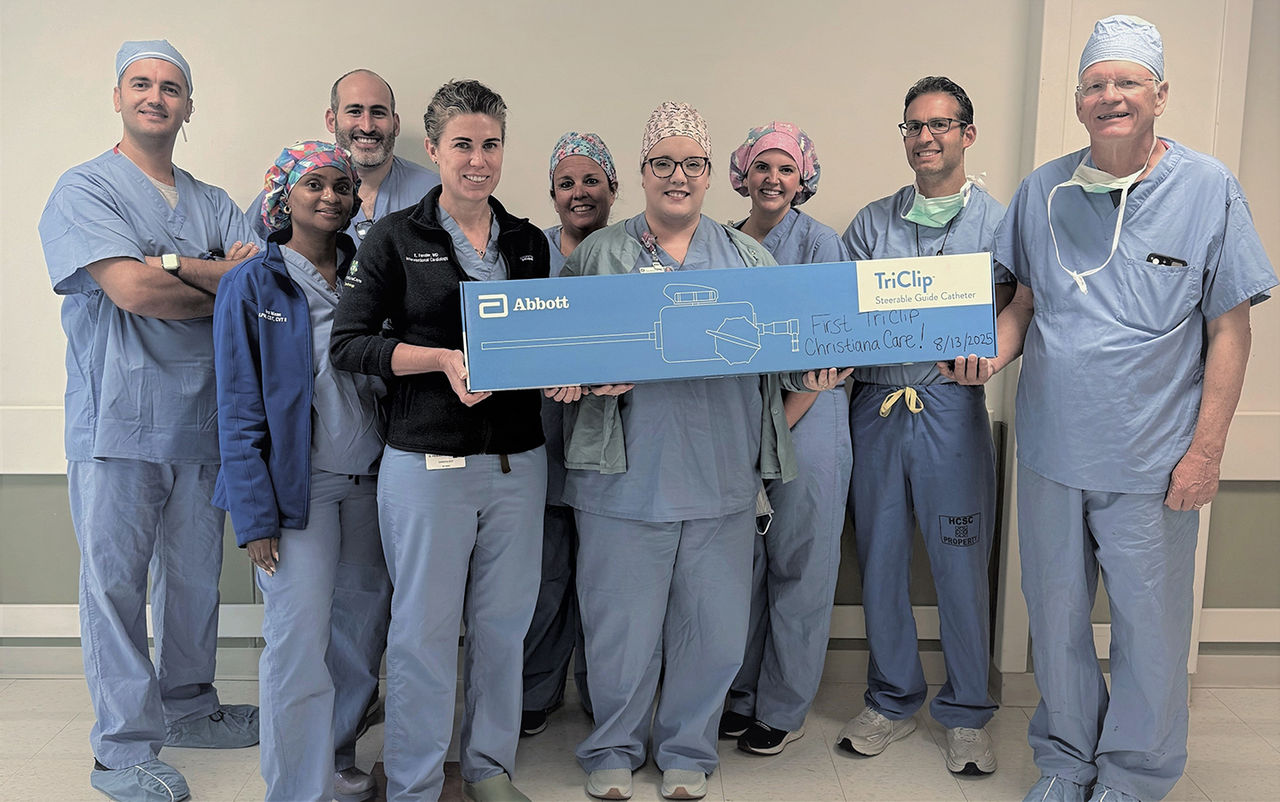
TR causes less blood to flow to the lungs, leading the blood to back up behind the heart. This results in congestion of the kidneys and liver and significant fluid retention in the legs and abdomen.
The condition, which affects more than 1.6 million people in the United States, causes fatigue, shortness of breath, and kidney and liver damage. The most common etiologies of TR include long-standing atrial fibrillation, pacemakers, and congestive heart failure.
In the past, the impact of TR on patients was underappreciated, mostly because TR often occurs in tandem with other conditions, such as atrial fibrillation or heart failure. However, multiple studies have shown that TR is independently associated with poor patient outcomes.1
Previously, open-heart surgery was the only option to treat patients with significant TR; unfortunately, this was associated with significant risk. With the recent FDA approval of new devices, a novel pathway for treatment is now open, and studies have shown they can improve symptoms and reduce hospitalizations.2,3
ChristianaCare offers two minimally invasive procedures for patients with TR:
- TriClip (Abbott), which involves a staple clip that pulls the sides of the valve closer together to substantially reduce leakage; or
- EVOQUE (Edwards Lifesciences), which replaces the faulty tricuspid valve with a new tissue valve.
Patient and procedure selection are decided by a multidisciplinary team at the Center for Heart & Vascular Health to ensure that the right therapy is identified for each individual patient.
“ChristianaCare is one of the busiest hospitals on the East Coast, with extensive institutional expertise in the nonsurgical treatment of heart valve disease,” Dr. Fender said. “We are well equipped to embrace new technologies and are proud to be the only center in Delaware offering these therapies.”
Dr. Fender and her colleagues see these new tricuspid therapies as one of many important advancements in the field of minimally invasive heart valve therapy. The team at ChristianaCare is now able to offer nonsurgical interventions for all four cardiac valves, which may spare many patients from open-heart surgery.
“Structural cardiology is an evolving field, and the Center for Heart & Vascular Health will stay at the forefront and bring new therapies into practice to drive forward safer and less invasive treatments for our patients,” Dr. Fender said.
References
- Fender EA, Zack CJ, Nishimura RA. Heart. 2017;104(10):798-806.
- Sorajja P, Whisenant B, Hamid N, et al. N Engl J Med. 2023;388(20):1833-1842.
- Hahn RT, Makkar R, Thourani VH, et al. N Engl J Med. 2025;392(2):115-126.
Through facility acquisitions, expansions, and enhancements, the service line has grown its footprint along with that of the health system. The result is that patients in southern Delaware, as well as eastern Maryland and southeastern Pennsylvania, now have expanded access to ChristianaCare specialists across a wide range of disciplines.

“When I joined ChristianaCare 10 years ago, I would have said that the anticipated growth and expansion for the organization was primarily aimed at establishing better care within Delaware,” said Kirk N. Garratt, M.D., M.Sc., the medical director at the Center for Heart & Vascular Health and the John H. Ammon Chair of Cardiology at ChristianaCare. “That commitment hasn’t been diluted in any way, but the organization has come to understand the value of taking the ChristianaCare brand of care outside of the state.”
That expansion began in earnest with the health system’s 2019 acquisition of Union Hospital in Elkton, Maryland, which is located in Cecil County. At the time of the purchase, there were seven cardiologists serving the county and Union Hospital; however, following the COVID-19 pandemic, several of them left the community or stopped practicing entirely.
To address this need, ChristianaCare has, since 2023, permanently stationed a cardiologist and an advanced practice clinician with a specialty in cardiovascular care at Union Hospital and implemented a rotation of cardiologists from elsewhere in the system to support services Monday through Friday.
Early in 2026, the service line will have a second ChristianaCare Medical Group cardiologist provide regular support at Union Hospital. By 2027, “we anticipate expanding our presence to provide all inpatient and potentially all office-based cardiovascular services in Cecil County through the ChristianaCare Medical Group practice,” Dr. Garratt said.
In southeastern Pennsylvania, ChristianaCare entered a region that saw two hospital closures over the past decade. The health system purchased one of those hospitals, the 30-bed Jennersville Regional Hospital in West Grove, and rebranded it ChristianaCare Hospital, West Grove.
Rather than operating the facility as a “general hospital,” Dr. Garratt said, ChristianaCare has instead implemented a new approach to hospital-based care delivery called focused inpatient care, which provides specialized, highly targeted medical treatment tailored to a specific patient population or health need. At West Grove, the focus is now on the provision of care services associated with aging, including treatment of cardiovascular diseases.
Not far from the hospital, the Heart & Vascular service line opened a cardiovascular specialty practice embedded in a ChristianaCare primary care office staffed by cardiologist Ronald L. Lewis, D.O. This specialty practice will soon relocate closer to the West Grove hospital campus. The new practice location will have expanded clinical and diagnostic capabilities.
“There was so much demand for cardiovascular care in the area that as soon as we opened the practice about 15 months ago, Dr Lewis was swamped,” Dr. Garratt said. Demand is forecasted to increase as a result of the West Grove Hospital opening, and to make it easier for patients needing outpatient cardiovascular care, the practice is being moved to a building directly across the street from the hospital. For patients with more complex cardiovascular disorders, “we have a very efficient and low-friction transfer system between sites, so we can fast-track them over to our Wilmington campus or our Newark campus as needed,” he added.
Closer to home, so to speak, ChristianaCare has opened several physician practices in the past few years in Kent and Sussex counties in Delaware. Additional southern Delaware practice locations are in the planning stages. Focusing on primary care, these practices will bring enhanced services to communities such as Camden, Georgetown, Lewes, and Rehoboth Beach. The Heart & Vascular service line aims to support these practices with cardiovascular specialists. The plan is to eventually provide several of these practice locations with full diagnostic capabilities and perhaps ambulatory surgical centers to support cardiovascular procedures.
This growth is intended to ease access to cardiovascular care for patients throughout Delaware, eastern Maryland and southeastern Pennsylvania, including access to state-of-the-art treatments available at ChristianaCare Newark Campus. Advanced treatments include transcatheter aortic valve replacement, less invasive mitral valve repair, catheter-based tricuspid repair and replacement, pulsed-field ablation for atrial fibrillation, and renal artery denervation for refractory hypertension. Creating cardiovascular access points throughout Delaware also eases access to the only advance heart failure program in the state and multidisciplinary teams of peripheral vascular and aortic disease experts.
“At ChristianaCare, we have the ability to manage the most complex cases because we lean into some of the more advanced methods and approaches and have access to the most sophisticated technologies, and we achieve excellent outcomes thanks to our multidisciplinary approach,” Dr. Garratt explained. “Our expansion into these new areas means that we are bringing these services to places—and patients—that need them.”
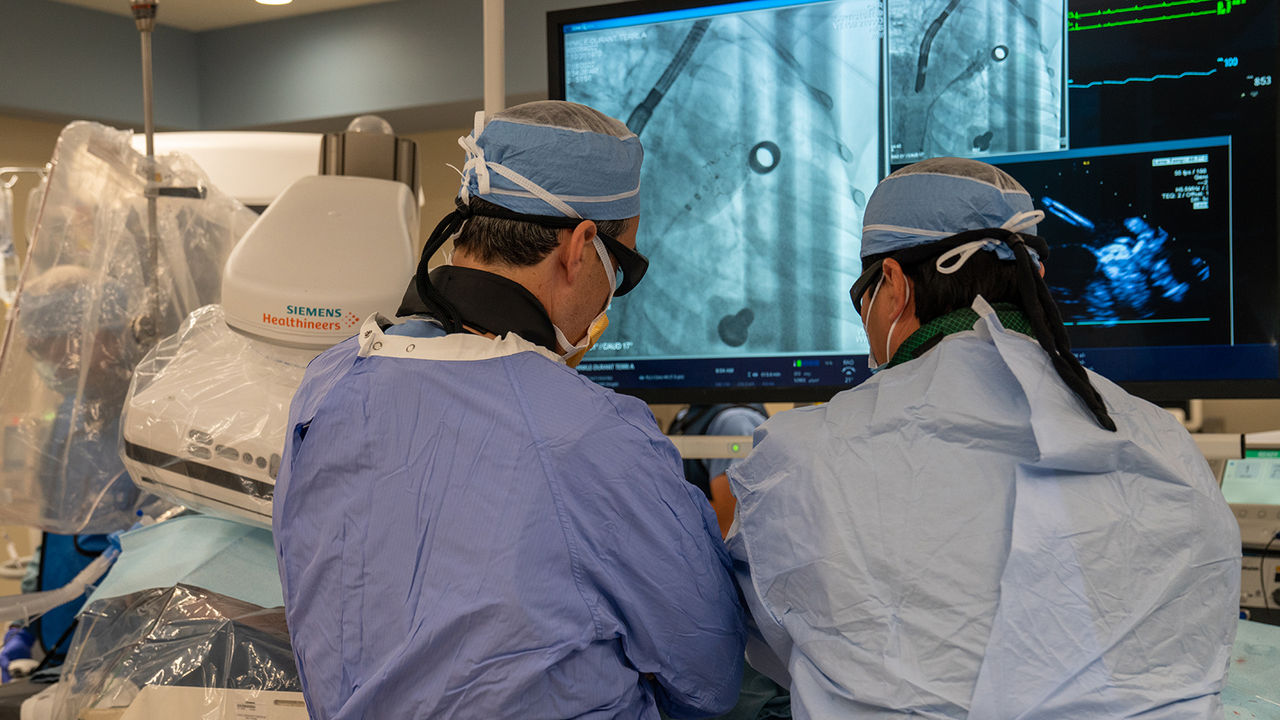
“Patients who receive this type of LAAO only have a brief inpatient stay, about one night,” said Neil Wimmer, M.D., an interventional cardiologist and the director of Quality and Innovation at the Center for Heart and Vascular Health. “We’re even developing a protocol to send patients home the very same day as the procedure.”
During minimally invasive LAAO, cardiologists insert a device about the size of a quarter through a vein in the leg and into the left atrial appendage (LAA). Over time, tissue grows over the device and seals off blood from entering the LAA, preventing any blood clots from forming and protecting patients from stroke.
Studies support the efficacy of this procedure, showing that in patients at high thromboembolic risk, LAAO using the Watchman device has resulted in consistently low rates of stroke.1,2 Similar results have been reported using the Amulet device.3
Regarding which device they use, the ChristianaCare team decides based on the patient. They look at ultrasound imaging of the heart to understand the shape and size of the area being operated on.
“I think of it like going into a suit shop and getting fitted by the tailor for a special event. You don’t know exactly what size is going to fit until you get your measurements that day, and this is also true for LAAO,” Dr. Wimmer said. “We have a specialized team of experienced cardiologists and noninvasive imaging experts that performs the procedure.”
The Center for Heart and Vascular Health has been performing minimally invasive LAAO for about five years, with hundreds of procedures under its belt. Although there are risks involved during the procedure, such as damaging the heart itself or causing pericardial effusion, Dr. Wimmer noted these types of outcomes are quite rare.
While results from LAAO using these devices are positive, the ChristianaCare team is participating in a randomized trial studying additional protective benefits for stroke prevention in patients who receive LAAO and continue to take blood thinners compared with those taking only blood thinners.
For the approximately 12.1 million individuals in the United States living with AFib, minimally invasive LAAO is an important treatment advance. AFib is associated with a fivefold increase in the risk for ischemic stroke and accounts for an estimated 1 in 7 strokes overall. AFib causes more than 450,000 hospitalizations in the United States each year, with approximately 232,000 deaths.
Historically, patients with AFib did not undergo LAAO because it required invasive open-heart surgery. It was performed only in patients already undergoing open-heart surgery for other procedures. These patients could also take blood thinners, but there are known tolerability issues with this medication class.
“The need for this minimally invasive LAAO procedure has grown quite a bit in the past few years,” Dr. Wimmer said. “We actually had to create additional space in our facility to offer it to more patients.”
References
- J Am Heart Assoc. 2025;14(16):e039780.
- J Am Coll Cardiol. 2017;70(24):2964-2975.
- J Am Coll Cardiol. 2025;25(85):1141-1153.
Summer 2025 Issue
Patients diagnosed with knee osteoarthritis experience significant pain that has a negative impact on their quality of life. A long-term solution through knee replacement is not an option for some patients; many are not candidates, and others opt out of surgery. These patient populations also may have osteoarthritis that does not respond to therapies such as anti-inflammatories or injectable pain relievers. As a short-term solution, injections require frequent visits to the doctor’s office.
Assaf Graif, M.D., a vascular interventional radiologist at ChristianaCare, and his colleagues on the vascular interventional radiology team, employ a novel technique for reducing knee pain in patients with osteoarthritis: genicular artery embolization (GAE). GAE is a minimally invasive intervention that targets the capillaries supplying the synovium.
"GAE is an excellent in-and-out procedure that provides long-lasting pain relief and allows patients to regain quality of life,” Dr. Graif said.
In GAE, a catheter is first inserted into the femoral artery and gently guided to the genicular arteries with the help of fluoroscopy. Iodine-based contrast is used to ensure that the catheter is placed properly (for patients with renal disease, there are other contrast options that are renal sparing). An interventional radiologist then meticulously selects each target artery in the joint, using the catheter to send particles into the designated capillaries.
When these abnormal blood vessels are embolized with embolic materials, the flow of blood, cytokines and other inflammatory proteins is disrupted. On average, patients experience improvement in pain levels after two weeks. With this single procedure, the benefits can be sustained for up to 24 months.
“Patients can return home two hours after the procedure has been completed,” Dr. Graif said. “They may experience temporary side effects, such as cramping and low-grade fever, which can be mitigated with ibuprofen and typically resolve within 24 hours.”
Patients also may see skin changes for a few days, he added, but this is usually temporary due to measures taken during the procedure.
“GAE is a suitable bridge therapy to knee replacement in patients with osteoarthritis and provides an alternate option for patients seeking pain relief,” he said. “It is important to delay knee replacement for younger patients, as they will need another replacement in approximately two decades. Pushing back replacement with other treatments can reduce the total number of surgeries a patient must undergo in their lifetime.”
To refer a patient for Genicular Artery Embolization at ChristianaCare, please call 302-733-5625 or complete the form at the bottom of this page.
ChristianaCare’s Advanced Heart Failure Clinic—part of the Center for Heart and Vascular Health—specializes in surgical and nonsurgical treatments for patients dealing with the most challenging aspects of refractory heart failure.
“We have the first and only advanced heart failure center in the state, and have been Joint Commission−certified since 2013,” said Ray A. Blackwell, M.D., the chief of cardiac surgery at ChristianaCare’s Center for Heart & Vascular Health and also the W. Samuel Carpenter, III, Distinguished Chair of Cardiovascular Surgery. “We provide care for patients with advanced heart failure who have very limited options.”
Without specialized care, an overwhelming majority of these patients may not survive one year, Dr. Blackwell said.
“The Advanced Heart Failure Clinic provides comprehensive evaluation of a patient,” added Neeta Tripathi, M.D., the interim director of Advanced Heart Failure at ChristianaCare. “We determine if they are on the right medications at the correct doses, and decide whether they need advanced therapies.”
Determining which strategy will best address these patients’ needs is a complicated process. Options typically include hospice care, intravenous medications, transplantation and the use of mechanical pumps such as a left ventricular assist device (LVAD).
An LVAD can be a lifesaving choice for both individuals who are waiting for heart transplants, and those for whom transplant is not an option. Currently, ChristianaCare is the only health system in Delaware that offers the LVAD.
“Sometimes LVAD implantation is done as destination therapy, which means that it will be used for long-term, lifelong support,” Dr. Tripathi said. “Other times, an LVAD may be used as a bridge to either transplant or recovery.”
“Transplant is a limited option based on organ availability, blood type, body size, social habits and other criteria. Some patients are waiting for a transplant but need an LVAD to bridge them to the transplant,” Dr. Blackwell added.
LVADS are commonly used as a bridge to transplantation in patients who are smokers, and need to have quit tobacco for a period of six months before being eligible for transplant. Similar situations can occur for patients who have a substance abuse disorder.
“There is also typically a weight cutoff at most transplant centers, meaning that people who are obese are not eligible for transplant,” Dr. Tripathi said. “Combining dietary changes and the use of medications such as GLP-1 [glucagon-like peptide-1] agonists allows most of these patients to lose the necessary weight in order to become eligible, and an LVAD can be used as a bridge to transplant in these individuals.”
For patients who may not be eligible for mechanical devices, the Advanced Heart Failure Clinic offers a dedicated, multidisciplinary care team which will be customized to fit each person’s individual needs.
“We have coordinators, cardiac surgeons, advanced practice providers and heart failure cardiologists on call 24 hours a day, seven days a week, 365 days a year,” Dr. Blackwell said. “This allows our patients with end-spectrum heart failure to stay in the state for their care, and to always have access to a multidisciplinary team.”
To refer a patient for Advanced Heart Failure at ChristianaCare, please call 302-733-1663 or complete the form at the bottom of this page.
A newly unveiled program at ChristianaCare is aiming to increase connectivity between patients and their healthcare team, and shift aspects of care so they can take place where people are most comfortable: in their homes.
“At ChristianaCare, we have six aspirations, and one of them is keeping people healthy at home,” said Sarah E. Schenck, M.D., the executive director of ChristianaCare’s Center for Virtual Health. “The development of this program is all part of this system work around the concept that home is the new venue of care, and that things that typically had been done in a doctor’s office or hospital can be done safely at home—sometimes with even better results.”
The Remote Patient Monitoring program uses connected technology in order to allow experts at ChristianaCare to easily and frequently monitor patients’ biometrics, such as pulse and blood pressure. Data are uploaded using the patient’s mobile device and seamlessly sent to the individual’s care team members, allowing for adjustments to be made far in advance of scheduled office visits.
“This type of high-frequency, low-intensity care helps us stay connected to the patient literally on a daily basis,” Dr. Schenck said.
Much of the impetus for the program came from discussions within the Center for Virtual Health regarding how to improve health equity and address the changing needs of modern consumers.
“When we think about health equity with regards to blood pressure management, we think about the ability to access visits, to manage and maintain blood pressure, health literacy, and the many other barriers one might encounter as a patient,” said Marshall Hawkins, the administrative director at the Center for Virtual Health. “Then we add this into our disparate populations, specifically our Black and Brown communities, which have historically demonstrated higher blood pressure with lower ability to manage it through visits and medications.
“Published literature would suggest the best way for us to approach these issues is to create a personalized approach to care, just like we do in all avenues of care, so that we can deliver care in a way that creates systems of support,” Hawkins added. “This program does that by working with health messages and reading a daily routine where there is a back-and-forth between the care team and the patient.”
Dr. Schenck agreed that access to healthcare is a critical challenge, and that it can be difficult for many patients.
“At ChristianaCare, we have a growing aging patient population with increasing levels of chronic conditions that need to be managed,” she said. “This means that we’ve needed to think in different ways in order to manage patients without needing to rely on office visits.”
The program also addresses changes in how consumers have come to think of healthcare and what they expect to receive from the health systems in their community.
“We have come to expect a level of care in other industries where just about anything can be quickly and easily delivered to your door,” Dr. Schenck said. “We need to meet our patients where they are.”
Home monitoring also can allow for more consistent data, which can paint a more complete picture of a person’s state of health.
“As physicians, we often base our clinical decisions on one or two data points when a patient comes into the office,” Dr. Schenck said. “This is a tiny window into what their blood pressure is doing day after day. More data points allow us to evaluate a patient’s health over time in their native environment, allowing us to make clinical decisions based on more accurate data.”
From a cardiology perspective, home care can be particularly beneficial for patients with heart failure.
“While many cardiac diagnoses require an acute care hospital, heart failure lends itself well to being managed at home, with both dietary counseling and monitoring conducted by Remote Patient Monitoring support staff,” said Audrey A. Sernyak, M.D., the associate section chief of cardiology at ChristianaCare, and medical director of ChristianaCare Cardiology Consultants. “This can be a huge help for our patients.”
“Receiving care in the home can be significantly more comfortable for a patient, and this remote monitoring can allow us to keep certain patients from needing to come to the hospital,” said Neeta Tripathi, M.D., the interim director of Advanced Heart Failure at ChristianaCare. “This can help to cut down on unnecessary hospital admissions and reduce the risk of complications such as hospitalacquired infections.”
Overall, the program is intended to increase the level of care for these challenging patients, while reinforcing ChristianaCare’s dedication to implementing next-generation healthcare.
“This is but one of many virtual support tools that we are using to try to keep our patients’ health at home, rather than in the hospital,” Dr. Sernyak said.
To refer a patient for Cardiology at ChristianaCare, please call 302-623-1929 or complete the form at the bottom of this page.
Founded in 2018, the Advanced Lipid Clinic at ChristianaCare offers a home for patients who have difficulty managing high cholesterol, as well as for individuals dealing with complex lipid disorders.
“We get referrals from cardiologists, vascular specialists, endocrinologists and primary care physicians in the area who have patients with challenging lipid disorders,” said Stephen Meng, M.D., a preventive cardiologist at ChristianaCare. The Advanced Lipid Clinic offers expertise for patients who have difficulty tolerating statins, who are at high risk for heart disease and stroke, and who have rare genetic lipid disorders, such as familial hypercholesterolemia, he added.
“Many of the patients we see are people who need more aggressive management,” said Myrna Sutera, AGACNP-BC, MSN, a nurse practitioner who specializes in cardiovascular disease and lipid management. “They may already have heart disease, or are at high-risk for recurrent events that need aggressive lipid lowering. We’re the only lipid clinic in Delaware, so before we were established patients would have to travel to Philadelphia, Baltimore or other locations in order to receive specialty lipid management.”
Both Dr. Meng and Ms. Sutera are board-certified by the American Board of Clinical Lipidology (ABCL) as Certified Lipid Specialists (CLS). There are only a few providers in Delaware who hold this board certification.
As new therapies are developed, Dr. Meng, Ms. Sutera and their colleagues are working to incorporate these advances into their practice.
“Statins have been the mainstay of treatment for nearly 40 years, yet there are people who can’t tolerate them due to side effects and other reasons,” Dr. Meng said. “In recent years, there have been multiple new medications that are geared toward treating LDL [low-density lipoprotein] levels, particularly in those who either can’t tolerate statins or whose numbers are not at goal on maximally tolerated statins.”
These statin alternatives include oral bempedoic acid (Nexletol, Esperion Therapeutics), evolocumab (Repatha, Amgen) injection, alirocumab (Praluent, Regeneron) injection and inclisiran (Leqvio, Novartis). Additionally, in December 2024, the FDA approved olezarsen (Tryngolza, Ionis Pharmaceuticals), the first treatment for adults with familial chylomicronemia syndrome (FCS), which is a rare condition that causes extreme levels of triglycerides in the blood.
“The problem with these folks is they are at risk for pancreatitis, which usually ends up with them needing to be hospitalized,” Dr. Meng said. “For years we didn’t really have good ways to treat these patients. The old drugs weren’t really effective for these people with very high triglycerides.”
In the coming years, it is likely that medications will be approved to treat lipoprotein(a), which, in high levels, has been implicated in cardiovascular disease risk, he added.
As the Advanced Lipid Clinic expands, Ms. Sutera noted the importance of educating patients and physicians in Delaware regarding their offerings and the patient types who are best suited for referral.
“The most appropriate patients for the Advanced Lipid Clinic would be those who have family history of high cholesterol, heart disease or stroke and those who have a genetic condition or complex lipid disorder and are statin-intolerant or people who have already had a cardiac event since they are at a higher risk,” she said.
To refer a patient to the Advanced Lipid Clinic at ChristianaCare, please call 302-623-1929 or complete the form at the bottom of this page.
At ChristianaCare’s Center for Heart & Vascular Health, recent realignments have strengthened the multidisciplinary approach used to care for critically ill patients in both the cardiac (CICU) and cardiac surgery (CVICU) intensive care units.
“The CICU had historically been a place where all cardiologists could admit patients and be the attending physician of record,” said Sandra A. Weiss, M.D., the medical director of the CICU at ChristianaCare. “From a learning perspective, this was an inefficient system because there wasn’t a single touchpoint provider who owned the care of all the patients in the unit at a given time.”
As a result, she added, it was challenging to provide uniform care to all patients over the course of time.
To address this, ChristianaCare hired a team of full-time cardiac intensivists, specialists boardcertified in both cardiology and intensive care. This has allowed the team to effectively provide intensivist coverage 24/7, 365 days a year. Additionally, the change allowed for the CICU to move to a closed-unit model where patient care is managed uniformly by a single cardiac intensivist at any given time.
“The benefit of this approach is that one person is managing the whole unit for seven days at a time,” Dr. Weiss said. “This approach has been studied and is proven to reduce cost of care and length of stay and results in safer care.”
Planning for this change in the structure of the CICU took place over a period of three years, which allowed time to get buy-in from all key stakeholders and reassure referring physicians that their patients were in the best hands, according to Dr. Weiss.
“Because this model germinated over the course of three years, our independent providers felt comfortable that the care of the patients was going to be left in the hands of people who are specifically expert in the care of these critically ill patients,” she said. “We have worked very hard to make sure that communication between the intensivist practice and independent providers is robust so that everyone feels like they are in the loop regarding care of patients they may have known for years. In addition to the team of advanced practice clinicians and cardiology fellows who provide patient coverage, the cardiac intensivists add another layer to the care of patients in the CICU.”
“The CICU and CVICU handle a variety of medical and surgical conditions that require immediate attention, some of which arise when the cardiac surgeons are in the operating room,” said Ray A. Blackwell, M.D., the chief of cardiac surgery at ChristianaCare’s Center for Heart & Vascular Health, who is also the W. Samuel Carpenter, III, Distinguished Chair of Cardiovascular Surgery at Sidney Kimmel Medical College of Thomas Jefferson University, in Philadelphia. “The cardiac surgery intensivist has made the care more streamlined, standardized, immediate and efficient.”
Nawar Al-Rawas, M.D., a cardiac anesthesia intensivist and the medical director of extracorporeal membrane oxygenation and the CVICU at ChristianaCare, agreed that the introduction of intensivists to the CVICU last summer has helped by allowing surgeons to focus more on their work in the OR.
“One of the big missions we have is to ensure that there is always someone available 24/7 from the intensive CVICU who can immediately address any concerns, can physically come to a patient’s bedside or can alert cardiac surgeons, cardiologists or other disciplines as needed,” he explained. “Both CVICU and CICU are complex environments with challenging cases and high acuity. So, having a sense that experts are available continuously will enhance patient care, communication and satisfaction.”
This tailored approach to care, and the ability to customize it as needed for individual patients, is what sets the Center for Heart & Vascular Health’s CVICU and CICU apart from services offered by most hospitals and health systems.
“The multidisciplinary group can tailor itself to the patient’s needs,” Dr. Weiss said. “Not many hospitals offer that level of attention, especially with the acuity of the patients that we take care of.”
A novel procedure that treats resistant hypertension by reducing nerve activity in the renal artery is becoming available at ChristianaCare, which was a participant in the research trials that led to FDA approval of the devices used in the approach.
The procedure, renal denervation, is a minimally invasive approach that uses a catheter to send ultrasound or radiofrequency (heat) energy to the vessels that supply blood to the kidneys. That energy destroys renal nerves without damaging the arteries, leading to a drop in blood pressure.
“It’s long been known that blood flow to the kidney has a lot to do with the control of blood pressure in general,” said ChristianaCare cardiologist Neil Wimmer, M.D. “A number of the medications we use to treat hypertension work either on the kidney or kidney hormones. For more than a decade, research has been exploring whether we can control blood pressure by changing nerve signaling in or to the kidney.”
The renal denervation program at ChristianaCare engages a multidisciplinary team of specialists that includes cardiovascular surgeons and vascular and interventional radiologists, among others. Within the past year, two renal denervation devices—Paradise (Recor Medical) and Symplicity Spyral (Medtronic)— have been approved by the FDA, after a series of clinical trials demonstrated that they could significantly reduce blood pressure. The first device is a balloon-based device that is inflated within the main renal artery, allowing surgeons to ablate the area to improve blood flow; the other is a spiral catheter that is advanced above the main renal artery up to three to five distal arteries, which are then ablated, according to Daniel Leung, M.D., vascular interventional radiologist at ChristianaCare.
Both procedures can cause pain, and are performed under general anesthesia, but they achieve excellent outcomes, he added.
“On average, we can say that doing this procedure with one of these systems leads to a drop in systolic blood pressure of around 5 to 10 mm Hg from baseline, which is equivalent to about one blood pressure drug in the multidrug cocktail that most patients with hypertension usually take,” Dr. Wimmer said. “We do not yet know how long the benefit will last, but based on study follow-up so far, we can safely say that, in multiple studies involving multiple patients, there has been sustained blood pressure reduction for at least three years.”
Renal denervation is performed using image guidance and is minimally invasive. Image guidance ensures the energy accurately targets the nerves without damaging the surrounding arteries. It also helps guide the catheter used in the procedure, Dr. Leung said.
“Image guidance is vital for renal denervation to be effective,” he said. “Our team has expertise in the technical, procedural aspect, since we treat patients with renal vascular hypertension, typically with stents. So, with this procedure, we’re in the surgical suite, working with cardiologists to achieve optimal outcomes with the procedure. Renal denervation can have a significant impact on patients with uncontrolled hypertension.”
“The device is not particularly large, and it is very similar to those used in other procedures that we already do routinely in our interventional cardiology and cardiac catheterization labs,” Dr. Wimmer added. “It takes approximately two hours under local anesthesia, and most patients are able to have the procedure and go home the same day. If someone has a very high absolute risk, even if you lower their blood pressure by just 10%, that’s much more significant than lowering it by 10% in someone with a very low absolute risk.”
The procedure carries a very low risk for complications; rare complications include bradycardia, leaking in the artery (pseudoaneurysm), renal artery stenosis and tears in the renal arteries. Some patients may not be candidates for renal artery denervation if they have issues with blood flow to their kidneys, significant kidney dysfunction or significant peripheral artery blockages.
“While this is not a magic treatment for resistant hypetension, it’s a significant contributor to our ability to get blood pressure under control, particularly for people who may have a difficult time with taking multiple medications due to availability, drug–drug interactions and the complexity of the regimens,” Dr. Wimmer said. “Since hypertension is associated with stroke, heart attack and kidney disease, getting it under control can have a major impact on a person’s health outcomes.”
Although the studies of renal artery denervation have demonstrated success across a range of hypertension levels, from mild to moderate to severe and even resistant hypertension, at ChristianaCare, the procedure is initially being offered primarily to patients at high cardiovascular risk for whom overall blood pressure reduction would have particular benefit. It’s estimated that nearly 8 million people in the United States have resistant hypertension. People with resistant hypertension are significantly more likely to experience death, heart attack, congestive heart failure, stroke and/or end-stage renal disease.1
“For these patients, they get more bang for the buck in treating high blood pressure, because their risk can drop more,” Dr. Wimmer said. “If we can prevent some of these complications with the help of this procedure, that will be a great step forward. We are very excited to be able to offer renal artery denervation as part of the suite of options for treating our patients with high blood pressure. It is not a miracle cure, because hypertension is a complicated problem. Even with this technology, we expect most people to still require drug therapy and all the lifestyle and other interventions that reduce cardiovascular risk long term. It’s part of what we believe to be the foundation of comprehensive cardiovascular care for the future—but part of the foundation, not the whole house.”
To refer a patient for Renal Denervation at ChristianaCare, please complete the form at the bottom of this page.
References
1. BMC Nephrol. 2019;20(1):138.
Fall 2024 Issue
A partnership between ChristianaCare cardiologists and oncologists is enhancing heart care for breast cancer patients receiving high-risk chemotherapy.
The Cardio-Oncology Program was established five years ago by physician leaders from the health system’s Women’s Cardiology Clinic and the Helen F. Graham Cancer Center & Research Institute to prevent and effectively treat cardiotoxicity in breast cancer patients on chemotherapy. The program also sees women with lymphoma and ovarian and uterine cancers who receive high-risk chemotherapy and need to be monitored for cardiotoxicity.
“Through the program, cardiologists closely monitor women before, during and after chemotherapy with drugs known to cause cardiotoxicity,” explained Audrey A. Sernyak, MD, Associate Chief of Cardiology and one of the clinic cardiologists who along with noninvasive cardiologist Robin A. Horn, MD, was instrumental in developing the partnership. “The goal is to protect patients’ heart health and optimize their cancer care in collaboration with oncologists.”

There is a growing need for ongoing patient surveillance because of the emergence of new chemotherapy drugs that can cause cardiotoxicity, and because breast cancer survivors are living longer and dealing with the lasting effects of treatment, according to Dr. Horn.
“Fortunately, there are a number of actions cardiologists can take to address the complication, including prescribing medications, recommending adjustments to care plans and suggesting lifestyle modifications,” Dr. Sernyak noted. “Sometimes, chemotherapy can even be paused to give the heart time to recover from cardiotoxicity, and then resumed so treatment can be completed.”
At ChristianaCare, the Cardio-Oncology Program is structured with patient convenience and efficiency in mind. When women receive a referral, clinic staff schedule appointments for them to have an echocardiogram and see a cardiologist within one week to avoid any delay in the start of their chemotherapy.
“The appointments happen on the same day,” Dr. Sernyak explained. “First, they have their echo and immediately afterward they meet with a doctor to review their results and discuss appropriate next steps based on the findings.”
Patients then return for follow-up testing every three months and appointments with a cardiologist every six months throughout their chemotherapy regimen and beyond to evaluate their heart function and identify and treat any cardiotoxicity that may develop, Dr. Horn added.
Program cardiologists keep referring physicians closely up to date on patients’ status through the ChristianaCare electronic medical record system and personal consultations.
“We emphasize building strong, collaborative working relationships,” Dr. Sernyak said. “The oncologists appreciate the expertise our cardiologists bring to the care team, which enables them to focus on treating breast cancer. It’s a partnership designed to deliver an exceptional patient experience and achieve the best possible medical outcomes.”
To refer a patient to the Cardio-Oncology program at ChristianaCare, please call (302) 623-1929 or fill in the form on this page.
At least 6.5 million people aged 40 years and older in the United States have peripheral artery disease (PAD). Like many chronic cardiovascular conditions, the prevalence of PAD increases with age: By age 70, more than 10% of men and nearly 10% of women will be diagnosed with the disorder. By age 80, those figures increase to more than 25% and 20%, respectively.1
PAD’s most severe manifestation is critical limb ischemia (CLI). Recent research indicates that as many as 1 in 4 people who develop CLI will have an amputation within one year of their diagnosis.2 A 2021 study found that the rate of hospital admissions for CLI increased from 0.9% to 1.4% between 2011 and 2017, while PAD admissions nearly doubled, going from 4.5% to 8.9%, over the same period.3
“With the epidemic of obesity and diabetes, PAD and CLI are increasing,” said Daniel Leung, MD, vascular interventional radiologist and fellowship program director at ChristianaCare, where about 500 endovascular revascularization procedures are performed annually. “Our PAD service at ChristianaCare is very busy, and we have a wealth of expertise in the clinical management of these patients as well as endovascular procedures to save limbs threatened by CLI, performed in our state-of-the-art angiography suites.”
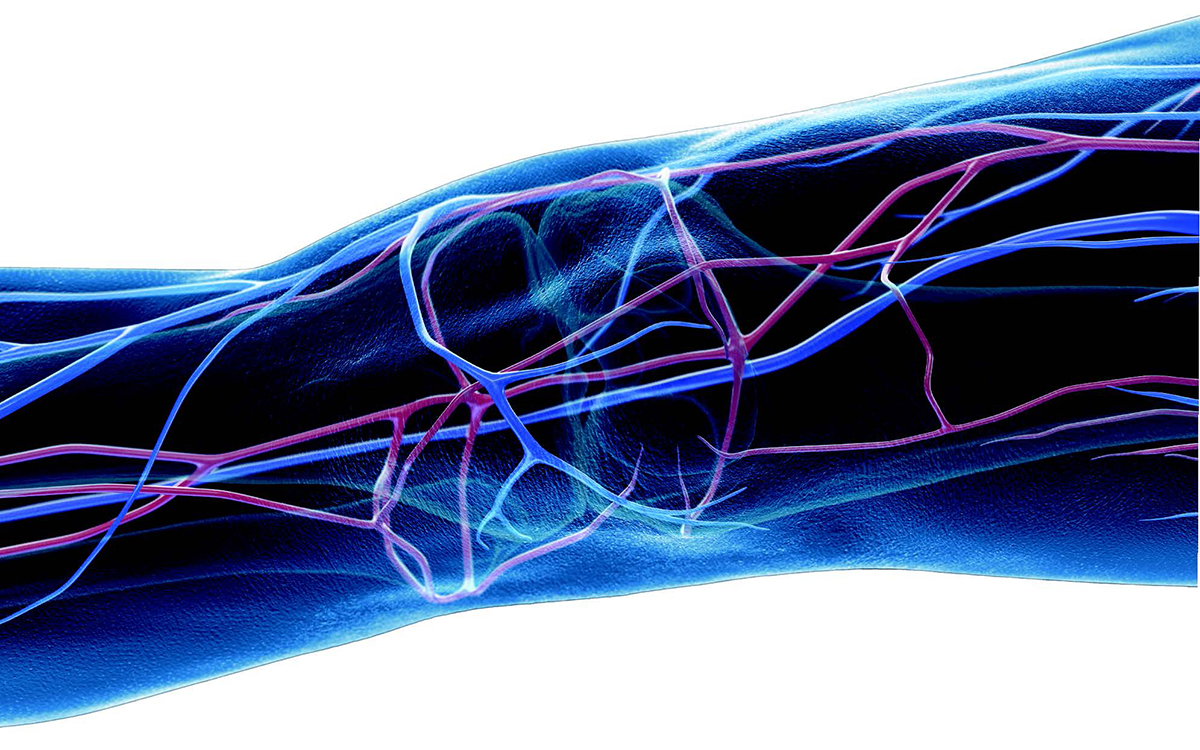
Both the equipment and surgical techniques used to manage PAD and CLI are rapidly evolving. One of the most novel therapies now available at ChristianaCare is transcatheter arterialization of deep veins (TADV), which is used to treat patients with the most severe CLI who have run out of revascularization options. TADV is designed to reestablish blood flow by diverting arterial flow from the tibial artery to deep veins in the foot.
“We connect the vein to the artery and backfill the tissues of the wound to get oxygen to that area,” Dr. Leung explained. “With advances like these, as well as increased awareness among referring physicians to send their patients to specialists like our team if they have PAD, I believe we are making progress in reducing the number of amputations that are done.”
He continued: “This is a rapidly evolving field with lots of innovations and novel devices and, at ChristianaCare, our patients have access to those options, including investigational procedures in clinical trials. We are involved in the development of complex revascularization techniques, such as pedal access and pedal loop revascularization to treat the very small arteries in the foot. Even though this is not generally done that frequently, it is something we do here on a routine basis.”
ChristianaCare was also involved in the trials introducing drug-eluting balloons and drug-eluting stents, which had become common in the treatment of cardiovascular disease, to treat peripheral vascular disease.
“This is now standard of care, but our patients had access to these technologies in trials before they were commercially available,” said Dr. Leung, who also stressed the importance of podiatry and wound care in the management of these patients. “Our team of vascular interventionalists regularly visits our affiliated off-site wound care center to evaluate patients for surgery, as it is more convenient for patients to be seen there.”
The interventional vascular team works closely with ChristianaCare’s team of vascular surgeons and a multidisciplinary group of experts including infectious disease physicians, endocrinologists and nephrologists, as well as the many podiatrists who work in the area. In addition, cardiologist Vikash Rambhujun, MD, has returned to ChristianaCare after a one-year fellowship at Yale University Hospital, where he studied vascular medicine and procedural care of PAD. His work is expected to complement that of the others on the multidisciplinary team.
“We also partner with primary care physicians to raise awareness,” Dr. Leung said. “Many of the patients we see have come into the emergency department with disease that is already quite advanced. By working with primary care and family practice and encouraging them to send patients to us early on, we can improve their outcomes.”
To refer a patient with Peripheral Artery Disease to ChristianaCare, please call (302) 733-5625 or fill in the form on this page.
References
1. CDC. Peripheral arterial disease (PAD). Accessed May 13, 2024. https://www.cdc.gov/heartdisease/PAD.htm#
2. Mustapha JA, Saab FA, Ranger WR, et al. Treatment of peripheral artery disease and critical limb ischemia: an observational Michigan Medicare analysis. J Crit Limb Ischem. 2023;3(2):E56-E63.
3. Anantha-Narayanan M, Doshi RP, Patel K, et al. Contemporary trends in hospital admissions and outcomes in patients with critical limb ischemia: an analysis from the National Inpatient Sample Database. Circ Cardiovasc Qual Outcomes. 2021;14(2):e007539.
ChristianaCare offers prostate artery embolization (PAE) for men with an enlarged prostate—a minimally invasive alternative to traditional surgery.
“Benign prostatic hyperplasia [BPH] is extremely common, affecting more than 50% of men over age 50 and about 90% of men older than age 80,” explained Christopher Grilli, DO, a vascular interventional radiologist.
The condition frequently causes a narrowing of the urethra that interferes with the normal flow of urine from the bladder.
“Prostate artery embolization is an innovative solution to the problem for men who have tried lifestyle changes or medications without achieving satisfactory results, and who would prefer to avoid surgery,” Dr. Grilli noted.
ChristianaCare is the only health system in Delaware that offers the procedure. During PAE, a catheter is inserted through the patient’s wrist or groin and guided by advanced x-ray imaging to the prostate arteries. Tiny beads, or microspheres, are then injected into the vessels, which partially block blood flow and gradually shrink the prostate by 30% to 40%. PAE typically takes one to three hours.
The procedure offers men with BPH many benefits, according to Dr. Grilli.
“The preservation of sexual function is a major factor for men in choosing PAE,” Dr. Grilli said. “Many also prefer the procedure over surgery because it doesn’t involve the insertion of a scope into the urethra and is substantially more comfortable for the patient.”
ChristianaCare closely monitors the effectiveness of PAE by surveying patients before and multiple times after the procedure. The results show 95% of patients report significant improvement in their BPH symptoms.
Dr. Grilli is part of a highly skilled team of four vascular interventional radiologists at ChristianaCare who specialize in performing PAE with the latest equipment and technology. Together, they perform a high volume of the procedures, which translates to greater clinical expertise and better patient outcomes.
“As a doctor, it’s very gratifying to be able to help men regain normal urinary function and experience improved quality of life,” he said.
To refer a patient for Prostate Artery Embolization at ChristianaCare, please call (302) 733-5625 or fill in the form on this page.
Atrial fibrillation, or Afib, is a heart arrhythmia associated with an increased risk for stroke, heart failure and other cardiovascular comorbidities. It is more commonly diagnosed in men and those of advancing age; roughly three-fourths of those with the condition are 65 years or older. Up to 6.1 million people in the United States have Afib, a figure that is projected to reach nearly 12 million by 2030.1
Because of patients’ increased risk, it is imperative to mitigate any structural issues with the heart that can lead to stroke, according to Kevin Tsai, MD, a clinical cardiac electrophysiologist at ChristianaCare.
“The irregular heart rhythm in Afib can cause blood to pool in the left atrial appendage (LAA), a small pouch in the upper left chamber of the heart, which increases the risk of clot formation,” Dr. Tsai said. “If a clot dislodges and travels through the bloodstream to the brain, it can cause a stroke.”
When patients with Afib arrive at ChristianaCare, clinicians assess for symptoms and treat risk factors associated with the condition, including hypertension, heart disease, diabetes, obesity, alcohol/tobacco use and sleep apnea. Patients’ stroke risk is assessed by a score calculated using multiple risk factors, including presence of congestive heart failure, hypertension and diabetes as well as history of stroke and vascular disease, among other factors, according to Dr. Tsai.
Anticoagulants (blood thinners) are traditionally prescribed to reduce patients’ stroke risk. However, in patients unable to tolerate long-term anticoagulants, perhaps due to fall or bleeding risks, ChristianaCare offers occlusion of the LAA, which has been shown to be effective in reducing Afib-related stroke.2
In addition, treatment of Afib focuses on controlling heart rate or rhythm. The aim is generally to control heart rate without converting Afib to a normal rhythm. This treatment is commonly used for patients who tolerate Afib well without symptoms. Rhythm control aims to restore and maintain normal rhythm and is commonly used for patients who have limiting symptoms from Afib.
“Roughly 20% of patients with Afib have no symptoms and, for them, we typically employ the rate control strategy,” Dr. Tsai said. “However, the remaining 80% have symptoms that can greatly diminish quality of life, such as palpitations, shortness of breath and fatigue. Rhythm control strategy is used in these patients to reduce the overall Afib burden by modifying electrical properties of the heart with antiarrhythmic medications and/or catheter-based ablations.”
Although catheter ablation has been shown to be more effective in maintaining normal rhythm, antiarrhythmic medication is currently first-line therapy, according to Dr. Tsai. In patients with Afib that is refractory to antiarrhythmic therapy, catheter ablation can be considered. (Future guidelines may change with recent large clinical trials showing favorable results with the approach; it currently has a class Ia indication with reduction in mortality in patients with heart dysfunction and heart failure due to Afib.)
Generally, the goal of ablation is to disable the cells in the heart that are responsible for triggering and propagating Afib. Two common ablation methods are cryoablation (freezing these cells) or radiofrequency ablation (heating the cells). Both approaches are offered at ChristianaCare, and they can be performed safely and effectively as outpatient procedures.
In cryoablation, electrophysiologists use a balloon catheter to freeze the targeted heart cells, disabling their ability to transmit electrical currents. This procedure can be tricky, however, because if the seal between the balloon, which contains nitrogen refrigerants, and the cardiac tissue isn’t closed, the flow of warm blood can make the procedure less effective, according to Dr. Tsai. The freezing strategy, although mostly safe, can damage nearby structures.
In radiofrequency ablation, electrophysiologists use a catheter to deliver heat to the targeted cardiac cells, rendering them unable to transmit electrical signals. This heating strategy, in rare cases, can also cause collateral damage to nearby structures, Dr. Tsai said.
The most recent advancement in Afib is pulsed-field ablation (PFA), which was approved by the FDA in December 2023 and involves a large electrical current (1 microsecond in duration) that causes cardiac cells to undergo apoptosis. ChristianaCare is expected to begin offering PFA within the next year, and Dr. Tsai believes it will change the treatment landscape of rhythm control for Afib.
“The benefit of PFA is that different tissues in your body absorb the electrical field at different amplitudes,” Dr. Tsai explained. “You can deliver PFA and it will only affect the cardiac cells without adverse effects to nearby structures, including the esophagus, arteries/veins and the phrenic nerve.”
To refer a patient with Atrial Fibrillation to ChristianaCare, please call (302) 623-1929 or fill in the form on this page.
References
1. Colilla S, Crow A, Petkun W, et al. Estimates of current and future incidence and prevalence of atrial fibrillation in the U.S. adult population. Am J Cardiol. 2013;112(8):1142-1147.
2. Moras E, Gandhi K, Yakkali S, et al. Left atrial appendage occlusion as a strategy for reducing stroke risk in nonvalvular atrial fibrillation. Cardiol Rev. 2024 Jul 30. doi:10.1097/CRD.0000000000000757
ChristianaCare’s new multidisciplinary Center for Aortic Health brings together some of the region’s leading subspecialty experts in cardiovascular care, including vascular surgeons, cardiologists, cardiothoracic surgeons, interventional radiologists and others, to centralize the care of patients with aortic disease and improve their outcomes.
New 2024 guidelines from the European Association for Cardio-Thoracic Surgery and the U.S. Society of Thoracic Surgeons, which have reclassified the aorta as an independent organ on par with the heart, lungs and brain, recommend bundling the treatment of the aorta in a separate specialty in close coordination with other specialties.1

“Aortic pathology requires specialized management, and we provide the most optimal care for these patients when we work together seamlessly,” said one of the Center’s co-directors, vascular surgeon Kathryn E. Bowser, MD. “There are cutting-edge developments constantly going on in this field, and a center like this one is needed to give patients the best options.”
Led by Dr. Bowser, preventive cardiologist Stephen Meng, MD, and cardiothoracic surgeon J. Daniel Robb, MBBS FRCS, the Center proactively identifies patients with aortic pathology such as aortic aneurysms and aortic dissection before these conditions become emergent; provides them with the latest in medical, surgical and endovascular management; and maintains ongoing coordinated longitudinal care for months and years afterward. Other patients presenting with life-threatening acute aortic dissection receive emergency lifesaving complex surgery and are similarly followed longitudinally.
“The team at the Center for Aortic Health utilizes a multidisciplinary approach that emphasizes patients’ long-term heart health,” said Dr. Robb, who serves as a co-director of the Center along with Drs. Bowser and Meng. “We also pride ourselves in having expertise and experience with multiple surgical and treatment approaches so that we can truly offer patients the best options for their specific needs. We strongly believe that these various approaches are best used in a multidisciplinary team setting to provide patients with inclusive and optimal care.”
For surgical procedures, the Center offers a state-of-the-art hybrid OR, located in the Gerret and Tatiana Copeland Heart & Vascular Interventional Suites, where both open surgery and endovascular procedures can be performed in the same space, with access to advanced imaging technologies including angiography, ultrasound and CT. It’s the only OR of its kind in Delaware. Within the next year, a second hybrid OR will be constructed, increasing the Center’s capacity to manage complex cases.
Thoracic endovascular aortic repair (TEVAR) and endovascular aortic repair (EVAR) have become the first choice of treatment in many patients with thoracic and abdominal aortic aneurysms, respectively. However, many patients have anatomy that is not suitable for standard TEVAR/EVAR procedures, according to Dr. Robb. Novel endograft devices have made TEVAR/EVAR possible for more patients, and ChristianaCare is recognized by device manufacturers as a high-volume institution with the expertise needed to implant these newer models.
“For example, in 2023, we became the first center in Delaware to implant the GoreÒ TAGÒ Thoracic Branch Endoprosthesis, a novel endograft designed to repair the descending thoracic aorta in cases of aneurysm, transection or dissection,” Dr. Bowser said. “Within the next few months, we will also be offering Gore’s Thoracoabdominal Branch Endoprosthesis, another endograft option that allows us to tailor treatment to a patient’s specific anatomy. These are just two examples of the ongoing developments in the field to which patients in the Center for Aortic Health will have access.”
“Patient selection is clearly key to achieving the best possible outcomes in these procedures,” Dr. Robb added.
Another aspect of this customized care for aortic disease is seen in women.
“We are learning more about aortic pathology in women,” Dr. Bowser noted. “Most existing research had primarily been done in men, but more recent studies demonstrate that we must account for differences not only in vasculature size but other factors that may affect care decisions.”
For example, studies have shown that women have a threefold increase in the risk for aortic dissection or rupture, and acute aortic syndromes, such as aortic dissection, occur at smaller aneurysm sizes in women than men.2
“A 5-cm aneurysm in a woman is much more likely to rupture than a similarly sized aneurysm in a man,” Dr. Bowser said. “Our center incorporates all of the latest research into our decision making to create a personalized treatment plan for each patient.”
It was a very specific decision to name the program the “Center for Aortic Health,” according to Dr. Meng.
“We are not just focused on pathology and surgery,” he said. “Our program is distinguished by a patient-centered focus that aims to prevent catastrophes with education and screening. For example, we have been in discussion with the program at Nemours Children’s Health about transitioning some of their pediatric aortic patients into our care as they reach adulthood. There are familial conditions such as Marfan syndrome, Loeys-Dietz syndrome and vascular Ehlers-Danlos syndrome that can raise the risk of aortic pathology conditions. We believe it is important to have a lifelong care plan, not only for the patient but for their family members who may be affected. The Center for Aortic Health offers our community convenient access to world-class expertise right here in their local area.”
To refer a patient to the Center of Aortic Health at ChristianaCare, please call (302) 733-5700 or fill in the form on this page.
References
1. Czerny M, Grabenwöger M, Berger T, et al. EACTS/STS guidelines for diagnosing and treating acute and chronic syndromes of the aortic organ. Eur J Cardiothorac Surg. 2024;65(2):ezad426.
2. Boczar KE, Cheung K, Boodhwani M, et al. Sex differences in thoracic aortic aneurysm growth. Hypertension. 2019;73(1):190-196.
Transcatheter aortic valve replacement (TAVR) at ChristianaCare is revolutionizing the treatment of severe aortic stenosis in older adults.
“TAVR has almost completely replaced open-heart surgery for these patients over the past decade,” said interventional cardiologist and fellowship program director Erin Fender, MD. Dr. Fender is part of a multidisciplinary team that specializes in performing the minimally invasive procedure for the health system’s Structural Heart Disease Program.
The procedure is used to replace a narrowed aortic valve that is obstructing a patient’s blood flow from the heart to the body. If not treated, aortic stenosis can lead to heart failure and death. Though still relatively new, TAVR is already the most common procedure performed by members of ChristianaCare’s Structural Heart Disease Program, directed by Wasif Qureshi, MD, an interventional cardiologist in the health system.
During the procedure, an interventional cardiologist inserts a catheter in the femoral artery which is then guided into the left ventricle allowing implantation of a biological valve to replace the diseased aortic valve. Once in place, the valve immediately restores healthy blood flow. The entire process typically takes less than an hour.
TAVR offers a number of advantages over surgery, according to Dr. Fender:
“These benefits make the TAVR procedure a safe and effective option for the majority of older adults with serious cases of aortic stenosis, including patients in their 80s and 90s,” Dr. Fender noted. “Our interventional cardiologists do hundreds of procedures a year, supported by cardiac surgeons, cardiac nurses and other professionals with extensive experience in TAVR. This multidisciplinary approach and large number of cases translates to advanced expertise that ensures patients receive high quality care.”
ChristianaCare’s TAVR success rate is 99%, and many large clinical trials have repeatedly demonstrated that the long-term survival rates for TAVR equals that of surgery.
“We’re proud to be Delaware’s leader in performing the procedure,” Dr. Fender said.
At ChristianaCare, patients benefit from a timely and efficient TAVR process. When a patient is referred, a cardiac nurse immediately contacts them to arrange every aspect of their care and address any questions or concerns they may have. The nurse assists the patient in scheduling necessary testing and appointments with an interventional cardiologist and cardiac surgeon—often all on the same day to maximize convenience.
After the TAVR, patients return to ChristianaCare for postoperative checkups and then are seamlessly transitioned back to the care of their local doctor. Through the process, the TAVR team keeps the referring physician informed about their patient, the outcome of the procedure and instructions for follow-up care.
“We strive to develop collaborative relationships with doctors by providing thorough communication and being available for consults when needed,” Dr. Fender explained. “By the time the patient meets with me or one of my colleagues, we’ve already reviewed their testing results and are prepared to recommend a course of action, including scheduling their procedure, if appropriate. All of this typically happens within just a few weeks. It’s a well-coordinated pathway focused on delivering an excellent patient experience.”
To refer a patient for TAVR at ChristianaCare, please call (302) 733-1507 or fill in the form on this page.