

Login
Insights & Innovations - Oncology
The latest advancements and breakthroughs in Oncology
Fall 2026 Issue
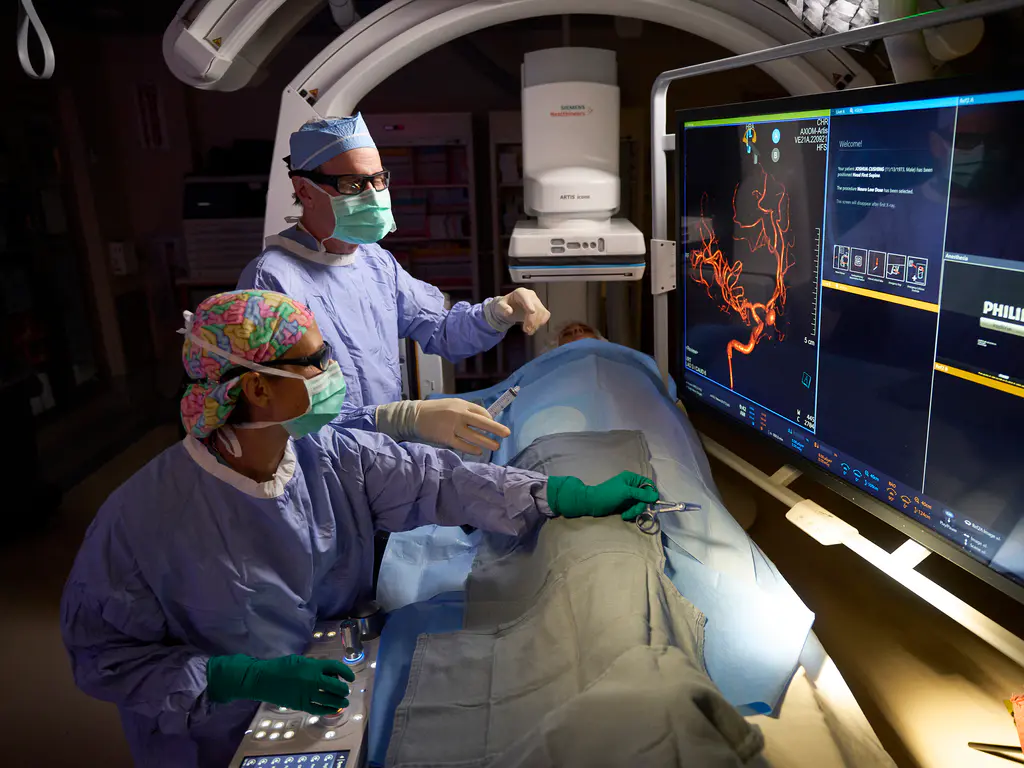
Welcome to this issue of Insights & Innovations, your source for the latest advancefeaturing the latest advances, research and expert perspectives from the Helen F. Graham Cancer Center & Research Institute at ChristianaCare.
Cancer care is evolving rapidly, driven by new technologies, groundbreaking research and a growing ability to personalize treatment for each patient. At ChristianaCare, we remain committed to bringing these innovations closer to home while ensuring every patient benefits from a coordinated, multidisciplinary approach to care.
In this issue, we highlight several of the advances shaping cancer care today. You’ll learn how our surgical oncology team is expanding minimally invasive options through the robotic Whipple procedure, one of the most complex operations performed for pancreatic and gastrointestinal cancers. You’ll also read about adaptive radiation therapy, an innovative treatment approach that allows radiation oncologists to adjust therapy in real time based on changes in a patient’s anatomy.
Throughout these pages, you’ll see how collaboration is transforming care across multiple disease sites. From personalized lung cancer treatment planning and precision breast cancer care to expanded access to clinical trials for patients with gastrointestinal cancers, our teams are working together to deliver the right treatment at the right time for every patient.
This issue likewise explores how our longstanding partnership with the Wistar Institute continues to accelerate translational research, helping bring promising discoveries from the laboratory to the bedside and expanding opportunities for patients to benefit from innovative therapies and diagnostics.
Whether advancing surgical techniques, expanding clinical trials, accelerating research discoveries or personalizing treatment, these efforts reflect our commitment to delivering exceptional cancer care that is innovative, compassionate and accessible.

Translational cancer research at ChristianaCare’s Helen F. Graham Cancer Center & Research Institute is supported through a unique partnership with the Wistar Institute in Philadelphia that brings novel therapies and diagnostics from bench to bedside faster, thereby expanding patients’ access to state-of-the-art approaches.
Signed in August 2011, the unique interinstitutional partnership agreement between Wistar, the nation’s first National Cancer Institute (NCI)-Designated Basic Research Center devoted solely to cancer research, and the Helen F. Graham Cancer Center & Research Institute is designed to leverage cutting-edge research for cancer prevention and therapy throughout Delaware. As an NCI-Community Oncology Research Program, the institute treats more than 70% of cancer patients in the state.
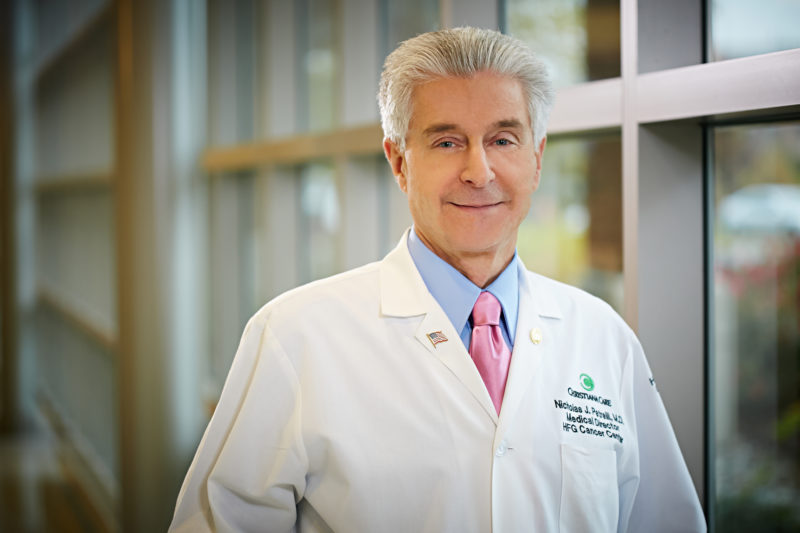 Nicholas Petrelli, M.D.
This partnership between an NCI-Designated Basic Research Center and an NCI-Funded Community Cancer Center Is the only one among the more than 1,500 accredited community cancer centers in the country. The Helen F. Graham Cancer Center & Research Institute is also one of the few community cancer centers that has a dedicated Center for Translational Cancer Research.
“The Cawley Center for Translational Cancer Research really sets ChristianaCare apart, not only regionally but nationally,” said Nicholas Petrelli, M.D., director of the Cawley Center for Translational Cancer Research at the Helen F. Graham Cancer Center & Research Institute and associate director of Translational Research at the Wistar Cancer Center.
“We see patients with the most common cancers nationally — breast, colorectal, prostate and pancreas — as well as other cancers, so we can be a valuable source of clinical data for Wistar while also providing our patients with access to innovative treatments and diagnostics,” he added.
The Wistar Institute has been designated by the NCI as a basic research center since 1987. As such, it is supported by the NCI Cancer Center Support Grant, which was renewed in January 2026 with an exceptional score. As a platform for basic research, the Wistar Institute’s world-renowned scientists are not directly involved in patient care. The partnership with the Helen F. Graham Cancer Center & Research Institute means 17 ChristianaCare clinicians with joint appointments at Wistar have the opportunity to collaborate with Wistar scientists.
For patients, the results of this collaboration have been profound. For example, the Helen F. Graham Cancer Center & Research Institute is presently evaluating a novel 41-gene panel for lung cancer screening developed at Wistar that can detect the disease from a simple blood draw. For at-risk patients such as smokers, this could eliminate the need for a biopsy and lead to earlier detection, Dr. Petrelli said.
“A blood test is less invasive,” he added. “The Graham Cancer Center & Research Institute is already recruiting patient blood samples for evaluation of the blood test, a process that will take a couple of years. It’s potentially an exciting step forward in early detection.”
In addition, Helen F. Graham Cancer Center & Research Institute gynecologic oncologists participated in a clinical trial with Wistar’s novel DNA vaccine for premalignant lesions of the cervix and vulva. Now the team is involved in organoid development for ovarian cancer.
Meanwhile, Cawley Center researchers Scott D. Siegel, Ph.D., a clinical psychologist, and director of Cancer Center Population Science, and Jennifer Sims-Mourtada, Ph.D., associate director of the Cawley Center for Translational Cancer Research and director of Translational Breast Cancer Research at the Helen F. Graham Cancer Center & Research Institute, are working with Wistar to identify “hot spots in the state of Delaware” for triple-negative breast cancer, the most aggressive form of the disease,” Dr. Petrelli said.
“On this project, one of the areas they are investigating is looking at changes that might occur in the hot spots versus cold spots across the state in terms of the epigenetic profile of patients,” he said.
One thing these and other Wistar collaborative projects have in common is a focus on improving treatment outcomes for patients with cancer, either through earlier detection of the disease or enhanced therapeutic efficacy, according to Dr. Petrelli. Prior to the establishment of the Helen F. Graham Cancer Center & Research Institute 25 years ago, most difficult cancer cases were referred to health systems in Philadelphia or Baltimore; now, up to 95% of patients with cancer who seek a second opinion elsewhere ultimately receive care at the institute.
“Our top priority is the quality of patient care, the second is teaching through our nationally accredited residency and fellowship programs and the third is both clinical and translational research, which includes clinical trials,” Dr. Petrelli said. “It comes down to the fact that we are a comprehensive cancer center. And it’s easy to refer a patient to the cancer center with one phone number where patients can get to our multidisciplinary clinics, and see the cancer team all in one visit.”
For patients with stage III lung cancer, developing the right treatment plan requires far more than just determining the location and size of the tumor. Oncologists must establish an accurate diagnosis and stage, understand the biology of the cancer, determine whether surgery is possible and consider the individual patient’s health, priorities and ability to tolerate treatment.
At ChristianaCare’s Helen F. Graham Cancer Center & Research Institute, that process brings together specialists in interventional pulmonology, thoracic surgery, medical oncology, radiation oncology and other disciplines to develop a patient-specific, individualized approach from the earliest stages of evaluation.
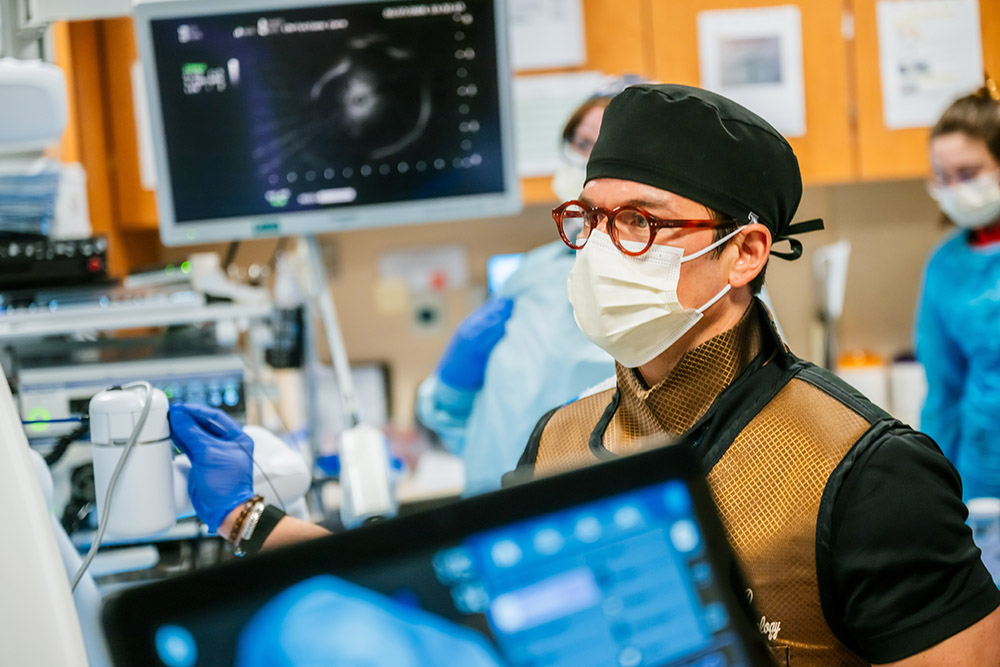 Ismael Matus, M.D., DAABIP, ChristianaCare Director of Interventional Pulmonology
“Ultimately, the future of lung cancer care is not defined by a single specialty or technology,” said Ismael Matus, M.D., DAABIP, director of interventional pulmonology at ChristianaCare. “It is being defined by the seamless integration of expertise across disciplines to deliver faster, more precise and increasingly personalized care for every patient.”
For a patient with suspected stage III disease, diagnosis begins with obtaining adequate tissue and establishing the extent of the cancer. Imaging typically includes PET/CT and brain imaging, while techniques such as robotic bronchoscopy and endobronchial ultrasound allow clinicians to obtain tissue from the tumor and lymph nodes. Tissue obtained during biopsy can also provide information well beyond simply establishing whether a lesion is malignant.
“A major innovation is the evolution of the biopsy itself,” Dr. Matus said. “Tissue acquisition is no longer performed solely to determine whether cancer is present. It now supports precision medicine. Adequate samples are required not only for diagnosis but also for molecular testing, biomarker analysis and therapeutic selection, helping our multidisciplinary team at the Graham Cancer Center match patients with targeted therapies, immunotherapies and personalized treatment strategies.”
Next-generation sequencing and other molecular testing approaches have become particularly important in determining treatment. Charles Mulligan, M.D., thoracic surgeon and chief of surgical oncology at ChristianaCare, explained that identifying an actionable molecular target can influence which systemic therapies should be used and can help clinicians avoid treatments that may be less appropriate for an individual tumor.
At the same time, thoracic surgeons assess whether the cancer appears resectable and whether the patient can safely undergo an operation.
For patients who are candidates for surgery, treatment may include systemic therapy before an operation, commonly incorporating chemotherapy and immunotherapy. If surgery is not appropriate because of the disease stage or the patient’s ability to tolerate a procedure, the team can pivot to another strategy, such as chemotherapy and radiation followed by immunotherapy.
“The treatment plan is tailored to the patient’s needs, ability to tolerate and desire to undergo the approach we recommend,” Dr. Mulligan said.
This emphasis on individualization extends beyond choosing medications. When surgery is part of the treatment plan, Dr. Mulligan and his colleagues aim to use minimally invasive techniques whenever possible, including robotic- and video-assisted thoracic surgery, reserving open procedures for cases in which they are medically necessary.
The order and timing of treatment have also become increasingly tailored to the biology and stage of an individual cancer.
“This integrated approach has fundamentally changed treatment decision-making,” Dr. Matus said. “Increasingly, patients may receive neoadjuvant immunotherapy or targeted therapy before surgery, with treatment sequencing guided by both tumor biology and disease stage. Interventional pulmonologists provide accurate diagnosis and staging, thoracic surgeons assess resectability and operative timing, and medical oncologists personalize systemic treatment plans.”
That collaboration is formalized through ChristianaCare’s multidisciplinary lung cancer clinic, where patients can be evaluated by multiple specialists.
“The patient has the opportunity to meet with a thoracic surgeon, radiation oncologist, and medical oncologist, primarily trying to figure out how to approach that patient’s particular lung cancer and what approach would be best for them,” said Pramod Vadlamani, M.D., medical oncologist and hematologist at ChristianaCare.
Rather than having individual specialties develop plans independently, clinicians can consider the available options together and determine how best to sequence care. For patients, reducing the time required to move between those steps is another important part of the program. The team’s goal is to begin definitive treatment within four weeks of diagnosis, or within eight weeks of an abnormal x-ray that initiates the cancer evaluation, according to Dr. Mulligan.
One of the greatest innovations may be the streamlining of the patient experience, Dr. Matus added.
“By reducing delays between detection, diagnosis, staging and treatment, multidisciplinary teams can decrease uncertainty, improve efficiency, and potentially enhance outcomes,” he said.
Research provides another avenue for individualizing treatment at ChristianaCare, with several current studies focused primarily on patients with advanced or metastatic lung cancer.
“Our research program is robust and top-notch,” Dr. Vadlamani said.
ChristianaCare is also preparing for additional ways of treating lung tumors through interventional pulmonology. The team has developed expertise in precisely navigating to and sampling small pulmonary lesions using robotic bronchoscopy, ultrasonography, advanced imaging and intraprocedural cellular imaging, according to Dr. Matus. Those capabilities could eventually support emerging bronchoscopic ablative treatments that deliver therapy directly to selected lung lesions.
Such technologies could potentially provide another local treatment option for carefully selected patients, including those with recurrent, progressive or refractory disease. This could lead to a future where some patients could undergo diagnosis, staging and bronchoscopic treatment during the same procedural encounter. Of note, decisions about which patients should receive such therapy would continue to be made through multidisciplinary discussion.
Across these various advances is an effort to build treatment around the individual patient rather than a single modality or specialty. Tumor biology, disease stage, surgical candidacy, available systemic and local therapies, clinical trial opportunities and the patient’s own preferences can shape the final approach. For ChristianaCare’s thoracic oncology team, increasingly sophisticated technology is expanding the available options. The multidisciplinary model determines how — and for whom — those options are best used.
At ChristianaCare, advances in breast cancer care are increasingly centered not only on how effectively the disease is treated but also on how patients experience all aspects of their cancer care, including diagnosis, surgery, chemotherapy and recovery.
This approach is reflected in the technologies designed to make surgeries more precise and convenient. Surgical approaches are designed to minimize pain. The health system also provides patients with access to cutting-edge clinical trials and has made broader efforts to give patients more choices throughout their treatment process.
One recent addition is the use of the EnVisio Surgical Navigation System with SmartClip, a wireless localization technology used to identify breast lesions that cannot be felt during a physical examination. These lesions may have been detected through mammography, ultrasound or MRI and subsequently biopsied, but surgeons still need a reliable way to locate the exact area that must be removed.
Identifying these lesions has historically required wire localization. On the morning of surgery, a patient visits the breast imaging center, where a needle is inserted under mammographic or ultrasound guidance and a wire threaded through it. The wire remains extending from the breast until surgery, when the surgeon follows it to the targeted tissue.
For patients, the system can make the day of surgery significantly easier. Instead of undergoing a localization procedure while fasting and transported to the surgical area with a wire in the breast, patients can arrive directly to the preoperative area when it is time for their operation. It also eliminates the discomfort that may occur when a localization wire remains protruding from the breast.
This focus on comfort extends into ChristianaCare’s approach to postoperative care. The specialists on staff use a multimodal pain management approach designed to reduce and usually eliminate the need for opioid medications after breast surgery, even after larger operations such as mastectomy.
“It is all part of our overarching goal of improving patient comfort and experience,” said Dr. Valerie Staradub, Breast Surgical Oncologist.
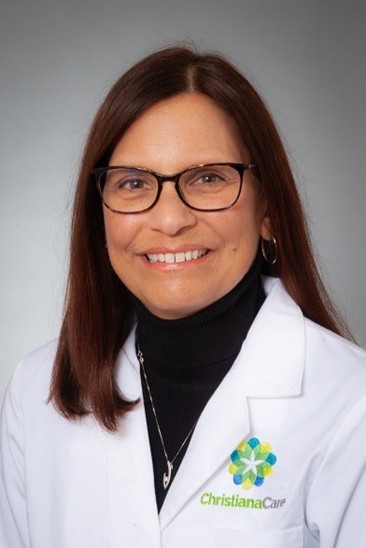 Valerie Staradub, M.D.
Depending on the patient and procedure, the multimodal approach may include the use of regional nerve blocks, oral medications administered before surgery, local anesthetics used at the surgical site and combinations of nonopioid pain medications for use after discharge.
Another area of emphasis is expanding the choices available to patients undergoing systemic treatment. Experts at ChristianaCare are involved with multiple clinical trials, including studies examining whether some patients can safely receive less-intensive forms of treatment and still achieve optimal outcomes. These studies are designed to determine whether treatment can be reduced without sacrificing effectiveness, potentially sparing some patients unnecessary toxicity.
“Some of our breast cancer trials are actually de-escalation trials,” said Susan Schaffer Whiteman, D.O., medical oncologist at ChristianaCare. “We have spent a lot of years treating women with breast cancer with very intense chemotherapy regimens. And now we’re asking whether less may be just as good or equal.”
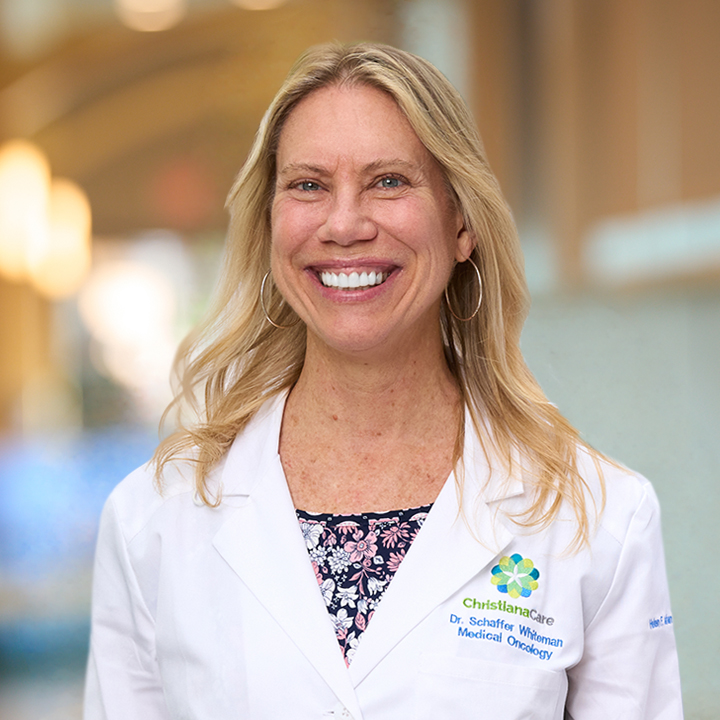 Susan Whelen Schaffer Whiteman, MD
ChristianaCare also plans to integrate the Paxman Scalp Cooling System into its breast cancer program. The technology uses a refrigerated cap worn before, during, and after certain chemotherapy treatments to reduce chemotherapy-induced hair loss.
For Dr. Schaffer Whiteman, options such as scalp cooling are part of addressing the psychological and physical effects of breast cancer treatment.
“Breast cancer can be a physically identifying disease and I discuss with my patients that it can affect the mind, too,” she said. “To be a breast cancer oncologist, you have to be able to understand both mind and body needs, and to make sure that the psychosocial effects associated with breast cancer diagnosis and treatment are addressed.”
That philosophy also extends to access and supportive care. The ChristianaCare breast cancer program is working to make treatment more convenient for patients throughout Delaware and the surrounding area, including coordinating appointments and treatment on the same day when possible and using virtual visits for patients who live farther from the cancer center.
Dr. Schaffer Whiteman practices with an integrative approach in which patients can discuss nutrition, psychosocial concerns, supplements and complementary therapies with their ChristianaCare clinical team rather than managing those questions individually.
Across these efforts, the common goal is to give patients high-quality cancer treatment while reducing unnecessary burdens surrounding that care. Whether through more precise surgery, better pain control, clinical trial access or expanded supportive options, ChristianaCare’s breast cancer team is working to make treatment both medically innovative and more responsive to the individual needs of every patient.
Radiation oncologists at ChristianaCare’s Helen F. Graham Cancer Center & Research Institute are using a novel radiotherapy approach to deliver targeted and, as needed, higher doses of radiation to treat challenging cancers.
Called adaptive radiotherapy (ART), the approach allows radiation oncologists to adjust patient treatment plans based on anatomical changes in real time, using CT guidance, and ensure the planned optimal therapeutic ratio is maintained throughout. At ChristianaCare, ART is being used in patients with pancreatic, kidney, liver and adrenal cancers as well as cancers that recur in lymph nodes and certain types of prostate cancer. There are plans to expand the modality to other malignancies in the near-term.
“Adaptive radiotherapy isn’t necessary for all types of cancer or all patients with the disease, but for those who are candidates what adaptive radiotherapy with high-quality imaging allows us to do is modify a patient’s treatment based on the position of the tumor and how their anatomy looks on any given day,” said Lindsay B. Romak, M.D., a radiation oncologist at the Helen F. Graham Cancer Center & Research Institute. “Using pancreatic cancer as an example, historically, we would give a dose of radiation to a pancreatic tumor that was safe for the healthy organs nearby, such as the small bowel, over the entire treatment course. However, the position of that small bowel could be different every day and the patient’s tumor can also change over the course of treatment.”
 Lindsay Romak
ART addresses these potential, and natural changes, by providing radiation oncologists with real-time imaging of the target site and surrounding tissue, according to Dr. Romak. With this information, and the assistance of AI-enabled analysis, radiation oncologists and the treatment team can safely target tumors with higher doses of radiotherapy while sparing healthy adjacent tissue.
“Early studies are suggesting that being able to use these higher doses results in better outcomes, and we are participating in large phase 3 clinical trials being done across the country and internationally, across multiple tumor types, to confirm that definitively,” Dr. Romak said.
The Graham Institute has already participated in the NRG-GU-012 and NRG-GU-013 clinical trials for ART in kidney and prostate cancers, respectively. The institute is currently enrolling patients for NRG-GI-011 (pancreatic cancer) and NRG-GI-012 (liver cancer).
“We have also found ART to be very helpful for treating isolated lymph nodes, either in the context of prior treatment or de novo,” Dr. Romak added. “You can imagine if you’re trying to treat a lymph node in the retroperitoneum, it can be very challenging given proximity of bowel and other critical normal tissues. We’ve found that these cancers are very amenable to this technology.”
ART differs significantly from conventional radiotherapy in terms of the time and course of treatment. With conventional radiotherapy, once a patient’s cancer has been deemed appropriate for treatment, a plan is developed based on data collected during the diagnostic stage (e.g., CT scans). Treatment is then administered, typically over a three- to seven-week period, in small daily doses. Patients can undergo as many as 35 treatments, each usually lasting about 15 minutes.
With ART, however, patients may have as few as five treatments, with radiation administered at higher doses. Treatment sessions can be up to an hour long to allow for real-time imaging (of the treatment target and surrounding organs), analysis of the findings, and the administration of higher doses of radiation.
“With adaptive radiation, you position the patient, obtain imaging, and then begin the treatment planning process, which for something complicated, like a pancreatic tumor in the upper abdomen, can take 30 minutes or longer,” Dr. Romak said. “You have to go through quality assurance, plan review and then treatment. When we’re giving a higher dose of radiation per treatment, the treatment delivery takes longer as well.”
To ensure treatment delivery is as accurate as possible, particularly with higher doses, the team will often ask patients to hold their position and use a breath-holding technique. Because tumors can move slightly during the normal breathing process, ART treatments are delivered in 20- to 30-second intervals. Patients are asked to hold their breath just before treatment administration, and for the duration of treatment; the position of the treatment target is confirmed in real time using surface guidance (the Helen F. Graham Institute has state-of-the-art Vision RT and Identify surface guidance).
“There is a tremendous amount of interest in how we can harness the full powers of adaptive radiotherapy, how we can make the process more efficient,” Dr. Romak said. “I think in the short term we will see the development of technology, including AI software, that makes the treatment planning time faster. We’ve been making absolutely astronomical progress, and I expect that that will only continue. There is also interest in expanding ART to other disease sites so that more patients can benefit from the approach. Here at ChristianaCare, we are very actively involved in all of those efforts. Our goal is to have world-class cancer care available here for our patients.”
ChristianaCare’s surgical oncology team is expanding its use of robotic surgery to include the Whipple procedure, bringing a minimally invasive approach to one of the most complex operations performed for cancers and other lesions involving the pancreas and surrounding structures.
The Whipple procedure, also known as pancreaticoduodenectomy, is most commonly used to remove tumors in the head of the pancreas. It may also be performed for cancers of the distal bile duct or duodenum, as well as certain premalignant cysts and other lesions affecting those structures.
Traditionally, the procedure has been performed through an open abdominal incision. While robotic surgery has become widely adopted across many surgical specialties, the complexity of the Whipple procedure has made the transition to a minimally invasive approach more gradual.
“There’s a lot of challenging anatomy,” said Brendan Hagerty, M.D., a surgical oncologist at ChristianaCare. “Essentially, we have to remove the head of the pancreas, part of the stomach, the first part of the small bowel, and the bile duct, and then make new connections between these organs.”
As surgical oncologists have gained experience using robotic technology for operations involving the liver, stomach and other portions of the pancreas, some centers began applying the same platform to the Whipple procedure.
“The robotic Whipple has been conducted in a few centers across the country for the past 10 or 15 years or so, but it has been rather slow to disseminate out,” Dr. Hagerty said. “More recently, an increasing number of centers across the country are starting to adopt the approach, but it’s still largely limited to select large volume centers.”
The robotic Whipple procedure allows the surgeon to perform extremely complex abdominal operations in a minimally invasive fashion, and patients benefit by having shorter overall recovery,” said Arvind Sabesan, M.D., a surgical oncologist at ChristianaCare. “This enables them to return to normal activities in a shorter amount of time, and if they need other cancer treatments, they can be started earlier.”
The robotic platform allows surgeons to complete the operation through several small incisions while maintaining the precision required for dissection and reconstruction. Additionally, the system’s magnified view may be especially useful when surgeons are working with the small ducts and other delicate structures involved in the procedure.
“Another benefit of the robotic Whipple procedure is the ability to see very small structures with high detail,” Dr. Sabesan said. “This makes performance of the pancreatic duct and biliary duct anastomosis easier.”
While there are not yet specific data showing that the approach improves overall cancer outcomes, and hospital length of stay may not necessarily be shorter than with an open procedure, the potential advantages of the robotic approach become more apparent in patients’ broader functional recovery, according to Dr. Hagerty.
“I think their overall functional recovery is significantly shorter,” he said.
Dr. Hagerty described two recent patients who both experienced delayed gastric emptying, a recognized complication in which the stomach does not empty normally following surgery. One patient had undergone an open Whipple procedure and required artificial nutrition and a feeding tube. The patient who underwent the robotic procedure experienced the same general complication but was able to remain at home while recovering.
Dr. Hagerty believes the smaller incisions and minimally invasive approach may produce less systemic inflammation and physical stress, although he noted that this observation has not been formally quantified. He also acknowledged that patients selected for robotic surgery may differ from those undergoing an open operation, making direct individual comparisons difficult. Still, he has seen patients return to their daily activities and appear remarkably well soon after surgery.
By adding the robotic Whipple procedure to its surgical oncology capabilities, ChristianaCare is increasing regional access to a minimally invasive option for patients who require complex pancreatic and gastrointestinal cancer surgery. One patient told Dr. Hagerty that her primary care physician could not believe she had recently undergone such a major procedure.
“Other physicians are seeing our patients and saying, ‘It doesn’t even look like you had surgery,’” he said.
No matter what type of cancer a patient is facing, it is vital to have access to comprehensive, state-of-the-art treatments close to home.
ChristianaCare’s Helen F. Graham Cancer Center & Research Institute meets that need with a collaborative, comprehensive approach to GI cancer care, and a growing focus on offering high-quality and cutting-edge clinical trials to patients who wish to participate.
Earlier this year, the institute welcomed GI cancer specialist Deepak Vadehra, D.O., to the medical oncology team to build on these objectives. Dr. Vadehra is a nationally recognized GI oncologist and has deep roots in cancer research and clinical trials, and a passion for driving innovation in the field.
“The majority of cancer care is delivered in the community, not in academic centers,” said Dr. Vadehra, chief of gastrointestinal oncology and director of clinical trials and clinical research for solid tumors. “My goal is to expand access to clinical trials like the ones currently taking place only at major teaching hospitals and to help advance the science while delivering high quality care close to home.”
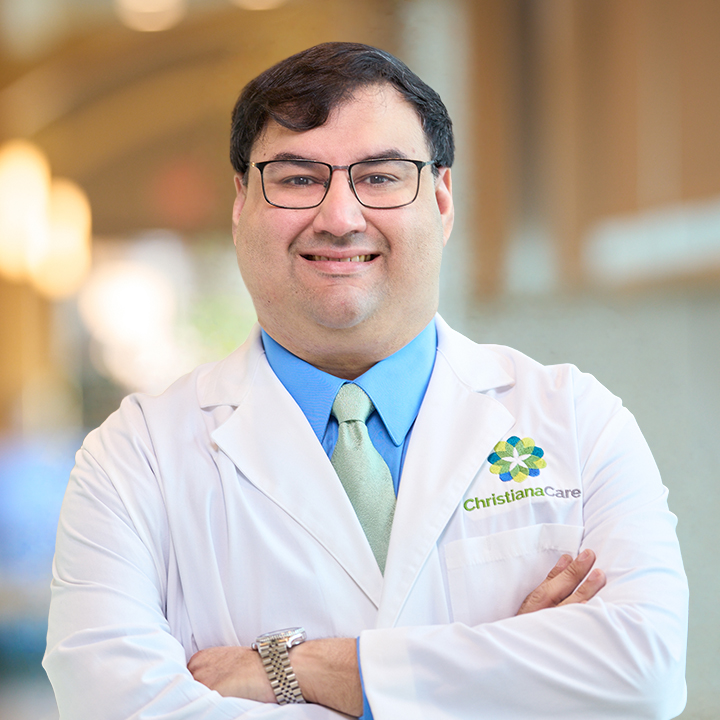 Deepak Vadehra, D.O.
Dr. Vadehra comes to ChristianaCare from the Roswell Park Comprehensive Cancer Center in Buffalo, N.Y., where he served as an assistant professor of oncology. He was the director of the early-onset colorectal cancer program and co-led both the GI and adolescent and young adult translational research groups. Now, he’s looking forward to using this experience and expertise to expand clinical research and the clinical trials program at the Helen F. Graham Cancer Center & Research Institute, so patients won’t need to leave Delaware to get access to truly innovative clinical care.
The institute has been a longstanding member of the NCI Community Oncology Research Program, affording patients in the community the opportunity to participate in cutting-edge trials. For more than a decade this program has been nationally recognized for NCI clinical trial accruals. While every patient with cancer at ChristianaCare is already screened to determine eligibility for a clinical trial throughout their treatment course, Dr. Vadehra hopes to increase the number of industry-sponsored trials offered at the health system in order to offer access to these novel treatments to more patients.
One potential trial at the top of Dr. Vadehra’s list involves the oral drug daraxonrasib, which is being studied in metastatic pancreatic cancer. Data from the RASolute 302 study showed patients who were randomized to receiving daraxonrasib (a targeted therapy) on average lived twice as long as those who received investigator’s choice chemotherapy (6.6 months vs. 13.2 months).
An expanded access program for the trial is now open at multiple cancer centers, and Dr. Vadehra is vigorously pursuing all avenues to make it available at ChristianaCare.
“It’s a game-changer, definitely the biggest advancement in oncology this year,” he said.
Dr. Vadehra has also been closely following the results of the BREAKWATER trial, which involves the most aggressive subset of metastatic colorectal cancer, BRAF V600E–mutated colorectal cancers. The trial demonstrated dramatic improvements in patient outcomes by combining BRAF-directed treatment (encorafenib [Braftovi, Pfizer] and cetuximab [Erbitux, Lilly]) with chemotherapy (FOLFOX [5-fluorouracil, leucovorin, oxaliplatin] or FOLFIRI [5-fluorouracil, leucovorin, irinotecan]). This combination received FDA approval in February 2026, and ChristianaCare will be offering it to patients.
“Historically, this disease has had a worse overall survival compared to non-BRAF V600E–mutated colorectal cancer and this regimen has fundamentally changed the way we approach treating this subset of patients,” Dr. Vadehra said.
Meanwhile, diagnosis of early-onset colorectal cancer (in patients aged 20 to 49 years) has been increasing by an alarming 3% annually (based on American Cancer Society estimates), and Dr. Vadehra sees an opportunity to move the needle. Early-onset colorectal cancer is Dr. Vadehra’s research focus since during his time at Roswell Park. He is nationally recognized for his work in early onset colorectal cancer and he hopes to continue building on that knowledge at ChristianaCare. Nearly 75% of patients with early-onset colorectal cancer are diagnosed when the disease is at an advanced stage. One interesting observation in the early onset population is that intensifying treatment may not lead to improved outcomes compared with older patients, he said.
“I’m really trying to find out the why and the how of this disease,” Dr. Vadehra added. “How can we improve outcomes in those patients? We need more clinical research to find the answers, and I believe ChristianaCare can be on the cutting edge of helping to further the science.”
In addition to research, GI cancer patients benefit from ChristianaCare’s multidisciplinary approach to treatment. Patients participate in multidisciplinary clinics, where they meet with their entire care team at once, including oncologists, radiologists, surgeons, nurse navigators, social workers, and clinical research nurses. This saves the patient from coordinating multiple appointments and promotes a cohesive treatment plan. In complex patient cases, specialists also gather in multidisciplinary, disease-specific tumor boards, where they discuss and determine the best individualized course of treatment.
Removing cancer surgically is optimal in most localized GI cancers, so ChristianaCare has invested in advanced surgical tools and technologies, particularly those that enable exceptional accuracy and a minimally invasive approach. This includes the da Vinci Robotic Surgery System (Intuitive) to access and remove tumors through very small incisions, reducing complications and recovery time.
Most recently, the surgical oncology team began using histotripsy, a novel approach that uses sound waves to mechanically destroy diseased tissue, such as tumors, without any incisions or radiation. This new technology has received FDA approval for liver cancer as well as other GI cancers that have metastasized to the liver.
Dr. Vadehra is certain that these groundbreaking technologies, combined with a robust portfolio of clinical trials, will continue to cement ChristianaCare’s reputation as a renowned cancer center, even as it maintains its commitment to community-centered care.
“We have an opportunity to really help our patients in Delaware and beyond,” he said. “It’s exciting to be part of realizing that vision.”