Login
Swank Center for Memory Care
Our comprehensive outpatient office for patients with memory disorders.

Expert, Caring Partners in Memory Care
For patients with memory loss, the Swank Center provides comprehensive assessment, diagnosis, and treatment. Our multidisciplinary team includes specialists in geriatrics, geriatric psychiatry, and neurology who work with patients and their families to help navigate the many challenges faced when a loved one is diagnosed with dementia. We take a holistic approach to addressing the mental and physical health needs of our patients and their caregivers. We serve patients living in Delaware, Maryland, Pennsylvania, and New Jersey.
Our Team

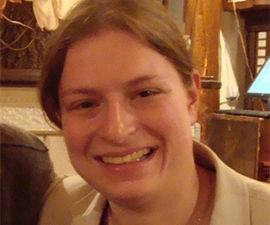
MD



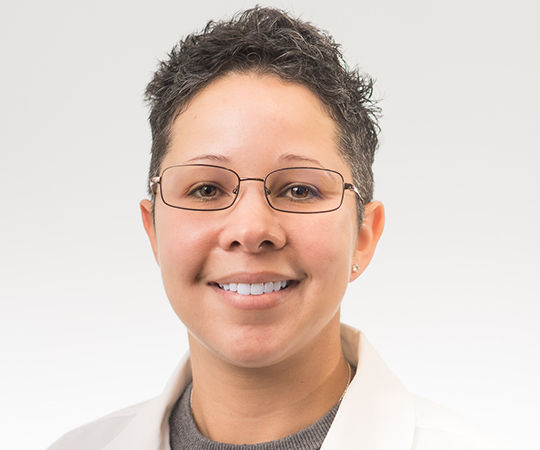
FNP-BC, MSN


Your First Visit
Swank Center For Memory Care FAQs
Our program is made to support people living at home, with family or in assisted living, along with their caregivers. If your loved one lives in a nursing home or memory care, their care is usually handled by the staff there who are familiar with the day-to-day needs and routines of their patients. We’re happy to help guide you and your family to the right resources and answer questions about care options.
There are some new treatments that might slow down Alzheimer’s disease. Two medicines—Leqembi (lecanemab) and Kisunla (donanemab)—are given through IVs over 12 to 18 months. Not everyone can use these medicines. Before starting, doctors do a thorough evaluation and testing to make sure it’s safe. These treatments do not cure memory loss or stop it from getting worse, but they might help slow it down.
Mild cognitive impairment (MCI) is a condition in which one has memory and/or other cognitive complaints that are noticeable to the patient or others and create difficulty, but do not cause severe impairment in functioning. In other words, patients with MCI, while needing reminders and other assistance, can still generally function independently. Patients with dementia, on the other hand, have cognitive complaints that can result in severe impairment in functioning. These patients struggle with activities of daily living (ADL’s) and their level of impairment is such that they have difficulty functioning independently.
Dementia, or what is also called major neurocognitive disorder, is a condition in which there are changes to the brain that cause significant impairment in functioning. Cognitive symptoms of dementia can include memory loss, difficulty with language, emotional disturbances, impaired judgment, psychiatric symptoms (depression, anxiety, psychosis), and changes in personality or behavior. Many conditions can cause dementia.
Alzheimer’s disease is the most common cause of dementia, but other conditions also cause dementia, such as Parkinson’s disease, Lewy Body disease, Frontotemporal dementia, vascular dementia, certain infections, and vitamin deficiencies, amongst others. A thorough memory disorders assessment includes studies to rule out these conditions.
Questions of legal capacity related to health care decision-making, finances, exploitation or abuse, and living arrangements commonly arise in patients with memory disorders. These matters may require the involvement of the legal system and a judicial determination of competency. In order to maintain the integrity of the doctor/patient relationship, Swank providers do not perform capacity assessments, nor do we complete competency evaluation paperwork for legal purposes. The Swank Center provides outstanding clinical care to our patients. Our program is not designed to provide the forensic consultative services that are required under such circumstances.
Providers use your medical history, brain scans (like MRI or CT) and blood tests to find out if someone has dementia. Some new tests include:
- Amyloid PET Scan: A special scan that looks for amyloid plaques in the brain, which are signs of Alzheimer’s.
- Blood tests for biomarkers: These tests look for certain proteins in your blood that can show if you might have Alzheimer’s. These two proteins – amyloid and tau – can build up in the brain and harm brain cells. They leak into the blood where we can test for them using a sample.
Biomarkers help us detect Alzheimer’s earlier and start treatment sooner, which may slow down the disease.
- Alpha-synuclein biopsy: A skin test that can help find Parkinson’s disease or Lewy body dementia by detecting another protein called alpha-synuclein. This protein can build up in the nerve fibers of people with these conditions.
- FDG PET scan: Another brain scan that shows how your brain uses energy. It helps our providers tell what kind of dementia you might have. This scan helps us to see how your brain uses glucose, the brain’s main energy resource. Low glucose feeding into certain parts of the brain can mean there are early signs of Alzheimer's, frontotemporal dementia or other conditions.
Having family members with dementia can make your risk higher, but other things like how you live, your environment and your genes matter, too. At the Swank Center, we work with genetics experts to help you understand your risk. We’re here to support you with information, testing and guidance that fits your needs.
Driving is a complex activity that requires intact memory, visual-spatial skills, attention, judgment, and/or other cognitive/thinking abilities in order to function well. Difficulties in any of these areas can affect a person's ability to drive safely.
A comprehensive cognitive assessment can be an important first step in determining whether someone can continue to safely drive. Because impaired driving can have serious consequences, most states have laws or policies regarding the reporting of individuals whose medical conditions—such as vision loss, seizures, or dementia—may affect their ability to drive.
If you have concerns about someone's driving, a memory care specialist can discuss available evaluation options and help you understand the steps that can be taken to promote safety for the driver and others on the road.
Resources
For the Love of Health Podcast
If you're concerned about memory changes, this is an episode not to be missed. It reveals how a multidisciplinary approach to memory care supports patients and their families. Hear about conditions we addressed and what the future holds in terms of medications and cutting-edge treatments.
Contact Us
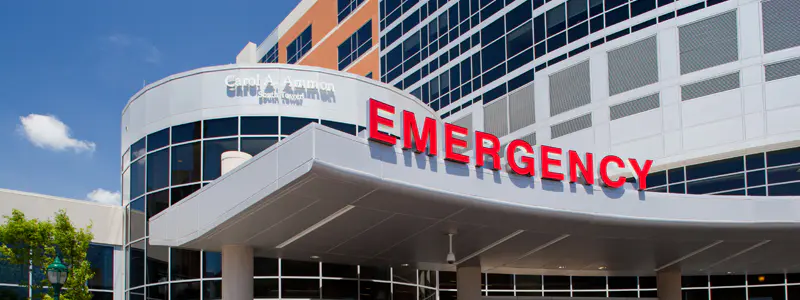
Swank Center for Memory Care at Wilmington
ChristianaCare Wilmington Campus
501 W. 14th Street
Gateway Building, 5th Floor
Wilmington, DE 19801
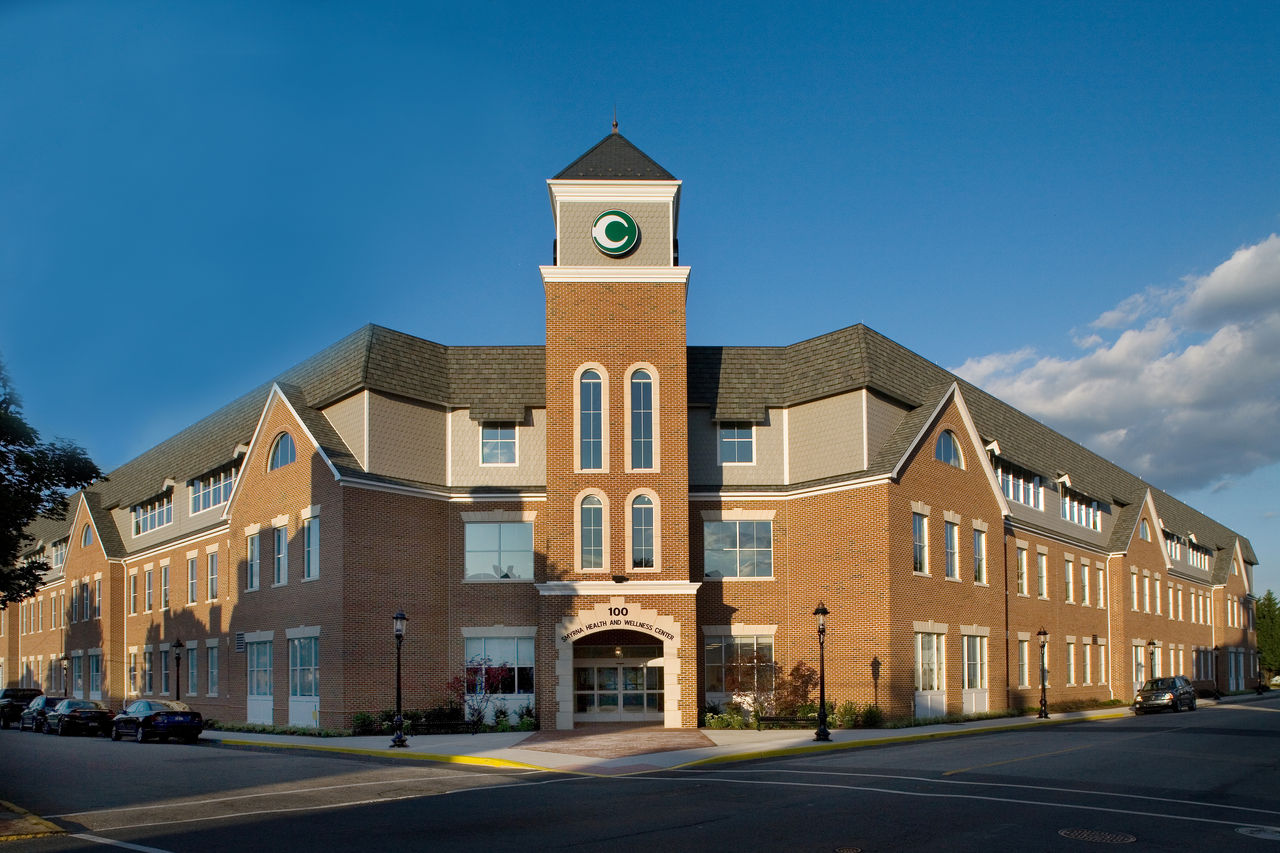
ChristianaCare at Smyrna
100 S. Main St.
Smyrna, DE 19977
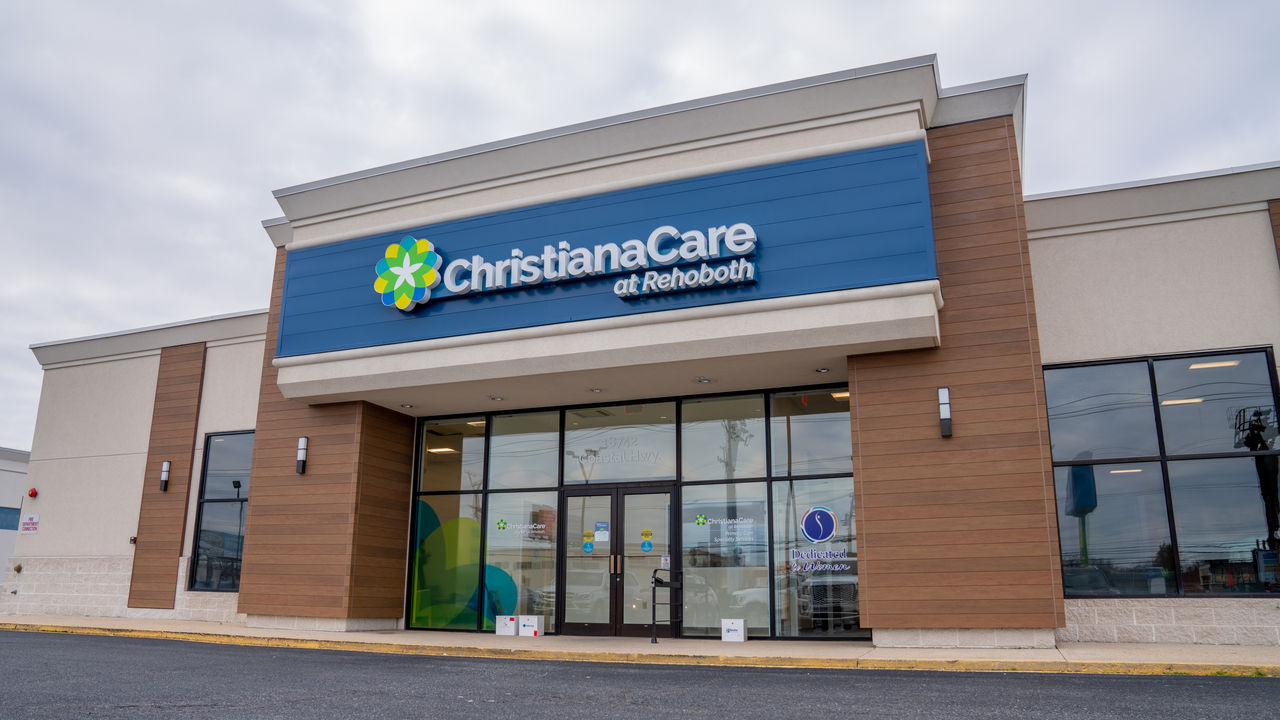
ChristianaCare at Rehoboth
18742 Coastal Highway
Rehoboth Beach, DE 19971
Turn to the Swank Center for Memory Care during this challenging time.
Related Content